

Cart
0
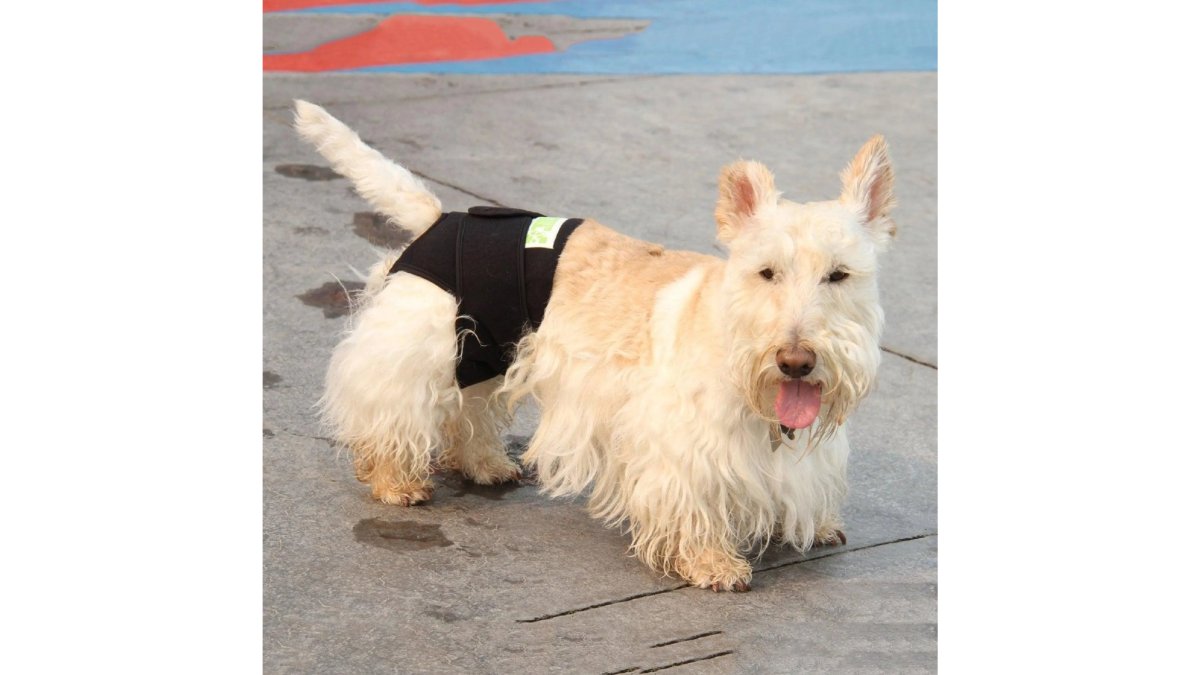
Table of Contents
- Start Here: Reading the Signs of Separation Anxiety in Dogs
- Build a Separation Anxiety Training Plan Around Your Dog's Baseline
- How to Train a Dog to Stay Home Alone: Step-by-Step
- Set Up a Safe Space and Calm Routine
- Common Separation Anxiety Training Mistakes to Avoid
- When to Ask a Veterinarian for Help
- Conclusion: Progress Takes Patience
- Frequently Asked Questions
Last Updated: October 12, 2026
Start Here: Reading the Signs of Separation Anxiety in Dogs
Separation anxiety is a panic response some dogs feel when they are left alone. Learning how to train a dog with separation anxiety starts with one honest step: knowing what your dog is actually telling you. This guide walks through a calm, step-by-step plan you can follow at home.
Dogs with separation-related behavior often show distress within the first 30 minutes after a caregiver leaves. The signs are easy to miss if you only check in once.
Distress Signals to Watch For
- Barking, whining, or howling soon after you leave
- Pacing, circling, or drooling
- Scratching at doors or windows
- Chewing furniture, shoes, or trim
- House soiling even when house trained
- Trying to escape from a crate or room
Is It Really Separation Anxiety?
Not every chewed pillow means anxiety. A bored dog may dig and chew, and a dog with incomplete house training may have accidents. Noise sensitivity can also trigger pacing during storms.
True separation anxiety shows up mainly when the caregiver is gone. If the behavior happens whether you are home or not, look at boredom or training gaps first.
Pro Tip
Film your dog with a phone on a tripod for 20 minutes after you leave. Watching the footage is the fastest way to tell distress from simple boredom.
Build a Separation Anxiety Training Plan Around Your Dog's Baseline
A separation anxiety training plan starts with a baseline: how long your dog stays calm when alone right now. Skip this step and you will almost certainly push too fast. Owners often overestimate their dog's comfort zone by several minutes, which is why measuring beats guessing every time.
Step 1: Measure the Baseline Objectively
Set up a phone or camera where you can see your dog's resting spot and the door. Then run three short practice absences on separate days, ideally at a similar time of day. For each one:
- Leave calmly, exactly as you would for a real trip out.
- Watch the recording rather than relying on what you hear through the door.
- Note the exact moment your dog stops settling and starts showing distress, pacing, whining, staring at the door, drooling, or scratching.
- Write down the time from your exit to that first distress signal.
That number is your starting point. If your dog settles for 2 minutes before getting upset, your training sessions should begin well under 2 minutes, often 30 to 60 seconds. If your dog is calm for 20 minutes, you have more room to work with.
Step 2: Keep a Simple Behavior Log
A short log turns guesswork into a plan you can actually adjust. For each session, jot down:
- Date and time
- How long you were gone
- The first distress signal you saw and when it appeared
- Whether your dog ate, rested, or ignored the food toy
- Anything unusual that day (storms, guests, a skipped walk)
After a week, patterns jump out. You may notice your dog does better in the morning, or that sessions after a long walk last twice as long. That is the information you use to decide when to add time and when to hold steady.
Step 3: Follow a Week-by-Week Progression
The table below is a starting framework, not a rigid schedule. Move to the next stage only when your dog finishes the current one with calm behavior in at least three out of four sessions. If distress shows up, drop back a step for a few days.
| Week | Focus | Example Session Length | Sessions Per Day | Move On When... |
|---|---|---|---|---|
| 1 | Baseline checks and departure cues only | 30 seconds to 2 minutes | 2-3 | Your dog stays relaxed for the full time in 3 of 4 tries |
| 2 | Out-of-sight stays inside the home | 1-5 minutes | 2-3 | No whining, pacing, or door-staring during the absence |
| 3 | Short real absences (step outside) | 5-15 minutes | 1-2 | Your dog settles or rests for most of the absence |
| 4 | Building duration | 15-30 minutes | 1-2 | Calm behavior holds as you add 5 minutes at a time |
| 5+ | Extending toward real-life absences | 30-60+ minutes | 1 | Your dog stays calm across two or three longer absences in a row |
A few ground rules that make this work:
- Add time in small increments. Five minutes at a time is plenty once you are past the 15-minute mark.
- End on a win. Stop while your dog is still calm, not after a meltdown.
- Practice more than once a day when you can. Short, frequent sessions build tolerance faster than one long one.
- Keep departures boring. No long goodbyes, no excited reunions.
Step 4: Know When to Hold Steady
Progress is rarely a straight line. If your dog regresses after a good week, that is normal, it usually means something changed, like a shorter walk, a noisy neighbor, or a session that ran a few minutes too long. Drop back to the last length your dog handled calmly, run it for two or three days, and then try moving forward again. Pushing through distress tends to set training back further than a short pause ever does.
How to Train a Dog to Stay Home Alone: Step-by-Step
Teaching a dog to stay home alone works best in small, repeatable steps. Rushing the process is the main reason training stalls.
Total time: A few weeks of daily practice Difficulty: Beginner-friendly
What you'll need:
- A camera or phone to watch your dog
- High-value treats
- A puzzle toy or food-stuffed chew
- A comfortable dog bed
Step 1: Practice Departure Cues and Out-of-Sight Stays
Pick up your keys, put on shoes, then sit back down. Repeat until these departure cues stop causing a reaction. Next, step into another room for a few seconds and return calmly.
Step 2: Add Duration and Distance in Small Increments
Add a few seconds at a time. Step outside for 10 seconds, then 30, then 60. Stay under your dog's training threshold, the point where distress starts.
Healers Therapeutic & Anxiety Rear Wrap →
Step 3: Extend to Real Absences
Once your dog handles 15 calm minutes, stretch toward 30 and beyond. Leave a food enrichment toy to pair alone time with something good.
Watch Out
Coming home to accidents or damage is not a reason to scold. Punishment after the fact raises anxiety and sets training back.
Set Up a Safe Space and Calm Routine
A predictable routine and a cozy safe space make alone time easier. Set up a quiet corner with a dog bed, a worn shirt that smells like you, and a treat-dispensing toy.
Keep departures and returns low-key. A calm goodbye teaches your dog that leaving is no big event. Try a puzzle toy like The Odin - Modern Treat Dispensing Dog Puzzle to keep a busy mind settled.

A durable chew such as the USA-K9 Cherry Bomb Durable Rubber Chew Toy also gives your dog a job while you are gone. For dogs who need extra comfort, the Healers Therapeutic & Anxiety Rear Wrap is designed to help lower anxiety in pets.


Common Separation Anxiety Training Mistakes to Avoid
Most setbacks come from a handful of avoidable mistakes. Fixing them often speeds up progress more than adding new techniques.
- Leaving for too long, too soon
- Making departures a big emotional event
- Skipping the baseline assessment
- Using a crate if your dog panics inside it
- Practicing only once a day
- Ignoring boredom as a factor
When to Ask a Veterinarian for Help
Training alone works for many dogs, but some need more support. Knowing when to bring in a veterinarian can save months of frustration, and it is not a sign that you have failed. It is simply another tool in the toolbox.
Signs It Is Time to Call
Reach out to your veterinarian if you notice any of the following:
- Your dog injures itself trying to escape, broken nails, cut paws, damaged teeth, or scrapes around the muzzle
- Your dog stops eating or drinking normally when left alone
- Distress lasts the entire time you are gone, with no settling at all
- You see no improvement after several weeks of consistent, gradual practice
- Your dog's anxiety is affecting the whole household, neighbors complaining, damage to doors or flooring, or your own stress levels climbing
- The behavior started suddenly in an older dog with no prior history
That last point matters. A sudden change in a dog that was previously fine can sometimes point to an underlying health issue, so a checkup is a reasonable first step.
What a Veterinary Visit Can Cover
A veterinarian can rule out medical causes that sometimes look like anxiety, pain, thyroid issues, or vision and hearing changes, for example. They can also talk through whether medication might help alongside your training plan. For dogs with severe anxiety, medication is sometimes used to take the edge off enough that training can actually take hold. It is not a substitute for behavior work, and it is not right for every dog, but it is a conversation worth having if your dog is struggling.
Other Professionals Who Can Help
If your veterinarian rules out medical causes and training still is not moving, a certified behavior professional, such as a veterinary behaviorist or a certified applied animal behaviorist, can build a tailored plan for severe cases. Your veterinarian can often provide a referral.
Training works best as a team effort. Pair daily practice with veterinary support when distress is intense, dangerous, or lasting. Asking for help early is one of the kindest things you can do for your dog.
Conclusion: Progress Takes Patience
Separation anxiety rarely resolves overnight, and setbacks are normal. The dogs who improve fastest are the ones whose caregivers measure progress and move in small steps.
Red Rock Pet Supplies carries calming wraps, puzzle toys, and cozy beds that support a calm routine. With free shipping available and quality supplies delivered to your door, setting up a safe space is simple. Check Out today and give your dog the comfort they need.
Frequently Asked Questions
How long does it take to train a dog with separation anxiety?
It varies widely depending on your dog's baseline and how consistently you practice. Some dogs show progress in a few weeks of short, daily sessions, while others need several months of gradual desensitization. The key is to move at your dog's pace rather than a fixed timeline. Track each session, celebrate small wins, and only increase alone time when your dog stays relaxed at the current duration.
Should you leave a dog alone if it has separation anxiety?
Not for long stretches while your dog is still panicking. Repeated scary absences can make the problem worse. Instead, start with very short absences your dog can handle calmly, such as stepping out for a few seconds, and build up gradually. When you must be away longer, arrange a caregiver, doggy daycare, or a familiar sitter so your dog is not left to panic alone.
What is the 3-3-3 rule for dogs with anxiety?
The 3-3-3 rule is a common guideline for newly adopted dogs: roughly three days to decompress, three weeks to settle into a routine, and three months to feel fully at home. It is not a training program, but it helps set expectations. A dog still adjusting to a new home may show separation-related behavior that improves as familiarity and routine build, so give things time before assuming the worst.
What are common separation anxiety training mistakes?
Some of the most common separation anxiety training mistakes include moving too fast, skipping the baseline assessment, and only practicing full departures instead of short out-of-sight stays. Punishing accidents or destruction, making departures and returns dramatic, and ignoring signs of distress all slow progress. Keep sessions short, reward calm behavior, and adjust the plan whenever your dog seems overwhelmed.

