

Cart
0
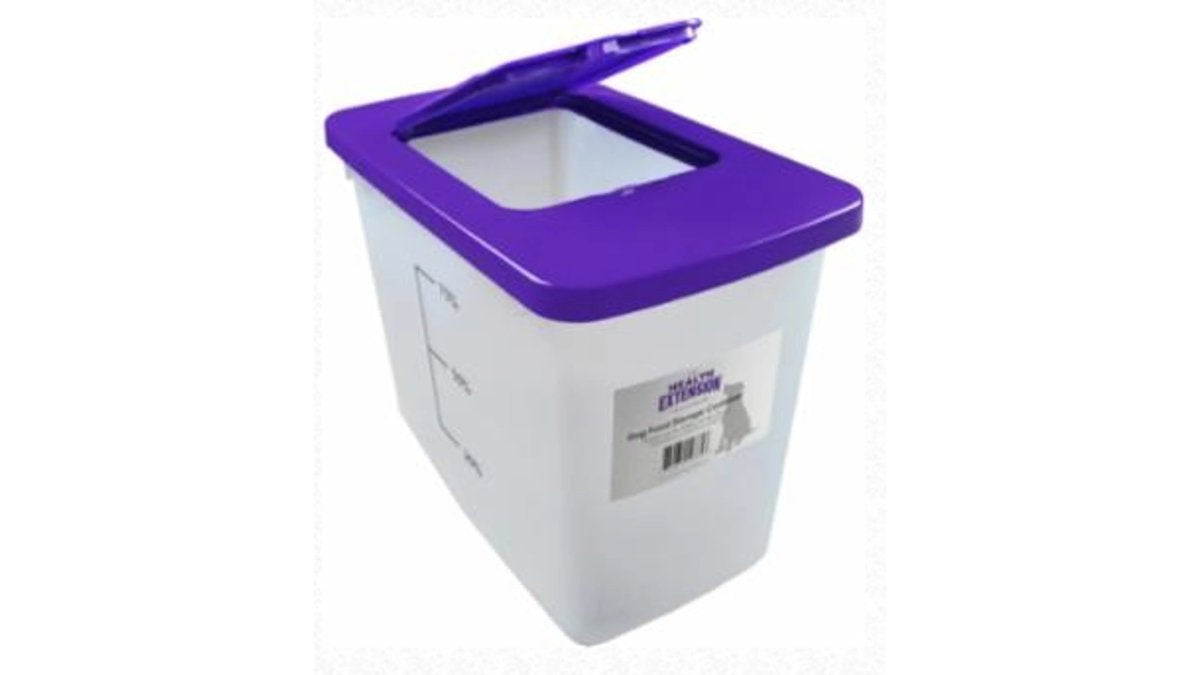
Table of Contents
- Why Storing Large Bags of Kibble Deserves a Plan
- What to Have Ready Before You Open the Bag
- Step-by-Step: How to Store a Large Bag of Kibble
- How to Choose the Best Dog Food Storage Container
- How to Seal a Dog Food Bag So It Stays Fresh
- Where to Store Dog Food: Cool, Dry, and Out of Reach
- How Long Does Dry Dog Food Last After Opening?
- Common Mistakes to Avoid with Large Bags of Kibble
- Frequently Asked Questions
Last Updated: October 21, 2026
Why Storing Large Bags of Kibble Deserves a Plan
A big bag of dry dog food feels like a bargain until the last third goes stale, soft, or smells off. Storing large bags of kibble well is less about fancy containers and more about a simple routine you will actually keep.
Here is the core idea: kibble starts losing its crunch and aroma the moment air, heat, and moisture get to it. Most people blame the food. Usually it is the storage.
Below, we will show you exactly how to set up a storage spot, choose a container that fits, seal the bag properly, and keep each batch fresh down to the last scoop. The steps are short, the gear is simple, and you can set the whole thing up in an afternoon.
Key Takeaway
The single biggest upgrade to kibble storage is not a special container. It is keeping the food in its original bag, inside a sealed bin, in a cool, dry spot. Everything else is detail.
What to Have Ready Before You Open the Bag
Gather your supplies first so the food never sits open on the counter while you hunt for a scoop. A little prep now saves a lot of stale kibble later.
Here is what to have on hand:
- The bag of kibble, still sealed
- A storage container with a tight-fitting lid
- A clean, dry scoop
- A marker or tape for writing dates
- A cool, dry storage spot with room to work
Check the container before you commit. It should be dry inside, free of cracks, and large enough that the full bag fits with the lid closing flat. A container that barely closes will not seal well, and a damp one can turn kibble soft fast.
A common mistake is reusing a bin straight from the garage without washing it. Dust, old crumbs, and lingering moisture all transfer to fresh food. Give it a quick wash with soap and water, then let it dry completely before the bag goes in.
Step-by-Step: How to Store a Large Bag of Kibble
The whole process takes about ten minutes per bag, and it is worth doing right the first time. Follow these steps in order and you will have a setup that keeps food fresh and makes feeding quick.
Step 1: Pick Your Container and Check the Fit
Set the unopened bag next to the container and compare sizes. The bag should slide in without cramming, and the lid should close with no food pinched at the rim. If the bag does not fit, choose a larger bin rather than folding the bag in half, since creases can split seams and spill kibble.
Step 2: Keep the Original Bag Inside the Container
Slip the whole bag into the bin instead of dumping loose kibble in. The bag carries the batch code, the best-by date, and the feeding guidance you may want later. It also adds a second layer of protection against air and pests.
Step 3: Seal, Scoop, and Close It Up
Roll the top of the bag down tightly, press out extra air, and clip or fold it shut. Set the scoop inside the bin but outside the bag so it never touches the food with dirty hands. Write the open date on a piece of tape on the lid, then close the container fully.
Pro Tip
Keep the scoop in its own small cup or hook rather than buried in the kibble. Oils from your hands and crumbs from the bottom of the bag are two quiet reasons food goes stale early.
How to Choose the Best Dog Food Storage Container
The best dog food storage container is one that seals tightly, holds the full bag with the lid closing flat, and fits where you actually keep food.
Start by matching the bin to the bag, not to the shelf. A large bag of kibble is bulky and oddly shaped, so measure before you buy.
A common pattern is to buy a bin rated by weight, such as one that holds up to 35 lbs of food.
Look for these qualities:
- Tight-fitting lid that clicks or locks down flat, ideally with a gasket
- Food-safe plastic or metal, with no lingering odors from previous use
- Wheels or handles if the bin will live in a garage or pantry
- A size that matches your bag, not one that leaves half the bin empty or forces a fold
- A shape that fits your space, including under shelves or in a closet
A rolling bin is handy for big bags because you can wheel it to the bowl instead of lifting. A sealable bin with a gasket lid works well in a pantry.
Red Rock Pet Supplies carries a Pet Food Container that holds up to 35 lbs of food, which suits most large bags. It is a straightforward option if you want one bin that fits a full bag and seals shut.

Pro Tip
Keep the original bag inside the container rather than pouring kibble loose. The bag carries the batch code and best-by date, and it adds a second layer against air and pests. If the bag will not fit, choose a larger bin instead of dumping the food out.
Watch Out
Do not store kibble in a trash can, laundry hamper, or bucket that was never meant for food. Leftover residue and moisture from other uses can spoil a whole bag, and those containers rarely seal well enough to keep pests out.
How to Seal a Dog Food Bag So It Stays Fresh
Learning how to seal a dog food bag well is the cheapest freshness upgrade you can make. Air is the enemy, and a tight fold beats a loose roll every time.
Try this method:
- Push most of the air out of the bag by pressing down gently.
- Fold the top edge over twice, about two inches per fold.
- Clip the fold shut with a bag clip or binder clip.
- Tuck the folded end down so it sits below the rim of the bin.
- Close the container lid fully.
If the bag has a resealable zipper, use it, then fold and clip anyway for extra protection. For very large bags, keep a spare clip near the bin so closing it stays easy.
Where to Store Dog Food: Cool, Dry, and Out of Reach
Where to store dog food matters as much as how you seal it. A cool, dry place keeps kibble crisp, while heat and humidity speed up staleness.
Good spots include:
- A pantry shelf away from the oven and dishwasher
- A closet or mudroom that stays dry
- A garage shelf, if temperatures stay mild and the bin is sealed
- A pull-out bin built into a cabinet for easy access
Keep food away from direct sun, hot cars, damp basements, and the floor of a garage that floods. Heat and humidity are the two fastest ways to turn crunchy kibble soft.
Garages and RVs deserve extra thought because temperatures can climb and drop quickly. A sealed bin helps, but it cannot undo a hot afternoon.
In small homes, a pull-out bin or a space-saving container that tucks under a shelf keeps food out of sight without eating up floor space.
Also think about pests. Rodents and insects find their way into paper bags and thin plastic. A sealed bin with a tight lid is your best defense, and keeping the bin off the floor helps too.
Pro Tip
Check the storage spot with your hand before you commit. If the floor or shelf feels warm or damp, kibble will pick that up over time. A dry, room-temperature spot is the goal.
How Long Does Dry Dog Food Last After Opening?
Dry dog food stays at its best for about six weeks after opening when stored in a sealed container in a cool, dry place. After that, it slowly loses aroma and crunch, even if it still looks fine.
A few practical rules help:
- Write the open date on the lid and check it before each new bag.
- Finish one bag before opening the next so food rotates properly.
- Buy a bag size your pet can finish in roughly a month to six weeks.
- Smell the food now and then. A stale or sour smell means it is time for a fresh bag.
Large bags and bulk quantities save money, but only if the food gets eaten while it is still fresh. If your dog is small, a mid-size bag you finish quickly often beats a giant bag that sits for months.
Watch Out
Never mix old kibble into a new bag to "use it up." The older food can speed up staleness in the fresh batch, and you lose track of how long anything has been open.
Common Mistakes to Avoid with Large Bags of Kibble
Most storage problems come from a handful of habits that are easy to fix. Watch for these and your food will last longer.
- Dumping kibble straight into the bin. You lose the batch code and best-by date, and the bin gets greasy fast.
- Skipping the wash between bags. Crumbs and old oils build up and can turn food stale sooner.
- Storing in a hot garage or sunny spot. Heat and humidity are the top causes of soft, stale kibble.
- Leaving the bag open between meals. Air gets in, and pests get a welcome mat.
- Buying more than your pet can finish. Bulk is only a deal if the food stays fresh.
- Forgetting to rotate. New bag in front, older bag finished first.
A simple routine fixes all of these. Wash the bin between bags, let it dry fully, keep the bag sealed inside, and note the date. That is the whole system, and it works.
Storing large bags of kibble does not need to be complicated, but it does need a plan. A sealed bin, the original bag, a cool dry spot, and a quick date check will keep food fresh from the first scoop to the last. Red Rock Pet Supplies makes it easy to stock up on the essentials, with quality pet supplies and free shipping available on your order. Browse the Pet Food Container and get a storage setup that keeps every bag tasting fresh. Check Out today and give your pet's meals the care they deserve.
Frequently Asked Questions
Should you keep kibble in its original bag?
Yes, keeping kibble in its original bag inside a storage container is the simplest approach. The bag holds the lot number and best-by date, which helps with recalls and rotation. It also adds a layer of protection against moisture and pests. Fold the top down, clip it shut, and place the whole bag inside a tight-lidded bin. This keeps the food fresh while making it easy to scoop and reseal.
What is the best container for storing dry dog food?
Look for a container with a tight-fitting lid, food-grade plastic, and a capacity that matches your bag size. A rolling bin or sealable bin with a scoop is convenient for large bags. The Red Rock Pet Supplies Pet Food Container holds up to 35 lbs and works well for bulk quantities. Avoid thin plastic totes that do not seal, and never store food directly against the container walls without the original bag.
How long does dry dog food stay fresh after opening?
Most dry dog food stays fresh for about four to six weeks after opening, depending on the formula and storage conditions. Heat, humidity, and air exposure speed up staleness. Keep the bag sealed, store it in a cool, dry place, and check the best-by date. If the kibble smells off or feels soft, it is time to replace it. Buying a bag size your dog finishes within that window helps.
Can you store kibble in a garage or shed?
Garages and sheds often swing between hot and cold, and humidity can build up. That makes them a risky spot for kibble. If you must use a garage, choose an insulated, airtight container and keep it off the floor. Check the food regularly for clumping or a stale smell. For most homes, a cool pantry or a pull-out bin in the kitchen is a safer choice.

