

Cart
0
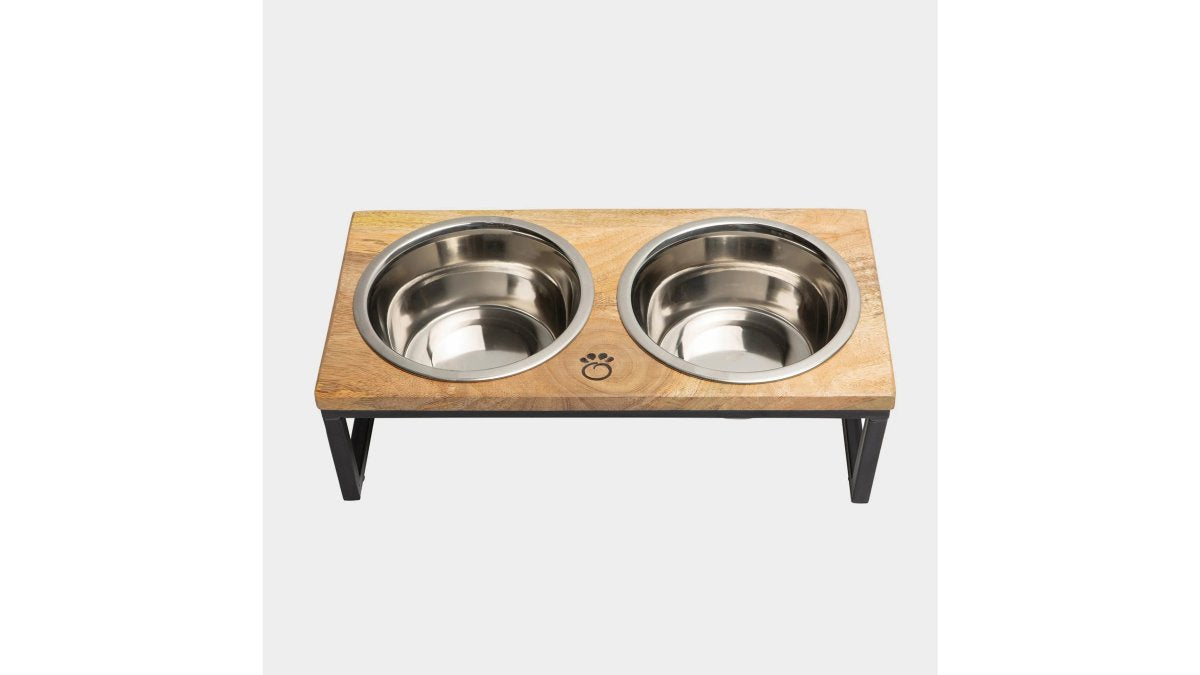
Table of Contents
- What to Look for in a Local Pet Supply Store
- Staff Knowledge and Personalized Recommendations
- Pet Food Ingredients to Look For
- How to Choose a Dog Bed at a Local Store
- Product Quality and Ingredient Standards
- Local Pet Store vs Big-Box Store: Key Differences
- Creating Your In-Store Inspection Checklist
- Specialty Products and Range for Different Pets
- Frequently Asked Questions
Last Updated: October 10, 2026
What to Look for in a Local Pet Supply Store
Finding the right local pet supply store can make a real difference in your pet's quality of life. A good local pet store isn't just a place to grab food and toys, it's a resource where staff know pets, understand your specific situation, and can point you toward products that actually work for your animal.

Unlike big-box retailers, a solid local pet store focuses on what pets need. Staff get to know regular customers and notice when your dog needs a new bed or your cat's toy is falling apart. That personal touch matters.
Red Rock Pet Supplies understands what pet owners are really looking for: quality products, helpful guidance, and the convenience of getting everything in one place. Whether you're shopping in person or online, the goal is the same, finding supplies that fit your pet's actual needs, not just what's on sale.
Staff Knowledge and Personalized Recommendations
The staff is everything. A great local pet supply store hires people who genuinely care about animals and know their products inside and out.
Good staff won't just point you to an aisle, they'll ask follow-up questions about your pet's age, health, and what you've tried before. Their answers should be based on real experience, not just reading from a box.
Watch how staff interact with customers:
- Do they ask about your pet before recommending something?
- Can they explain why one product might work better than another?
- Do they mention their own pets or share relevant stories?
- Are they willing to admit when they don't know something?
That's the standard to expect from any local store worth your time.
A store with knowledgeable staff becomes a real resource where you feel comfortable asking questions. That peace of mind is worth more than a few cents saved elsewhere.
Pet Food Ingredients to Look For
A local pet supply store should carry pet food options where you know exactly what your pet is eating and how those foods are stored and sourced.
Start by checking the ingredient list on the bag or can. The first few ingredients should be recognizable, actual meat, not meat by-products or vague protein sources. Look for:
- Named meat sources (chicken, beef, fish) rather than generic "meat meal"
- Whole grains or grain-free options depending on your pet's needs
- Minimal artificial colors, flavors, or preservatives
- Clear sourcing information when available
A good local store stocks multiple brands at different price points and helps you find what fits your budget while meeting your pet's needs.
Food Safety and Storage Practices
Beyond ingredients, pay attention to how the store handles food. This is where you can spot whether they take quality seriously.
Refrigerated and frozen sections: Check storage conditions for fresh or frozen pet food. Refrigerated units should maintain proper temperature, and frozen sections should show no signs of thawing or frost buildup.
Expiration dates and rotation: Check dates on bags or cans, they should be current with plenty of shelf life. Ask how often they receive shipments and rotate inventory. Stores that rotate regularly will have a clear answer.
Recall awareness: Ask if the store monitors product recalls. If staff seem unfamiliar with recalls, that's a concern.
Sourcing transparency: Ask where brands source their ingredients and whether the store works directly with manufacturers. Stores that can answer these questions have built real supplier relationships.
Ingredient Guidance and Special Diets
Ask staff which brands they recommend for specific situations and whether they have experience with special diets. Their answers show how seriously they take nutrition and whether they can help if your pet has sensitivities.
Staff should explain why one food might work better than another for your pet, not just recite marketing claims. They should be honest about what they don't know.
How to Choose a Dog Bed at a Local Store
Picking the right dog bed matters, your dog spends significant time sleeping, so comfort counts.
Bring your dog if possible and let them try out the bed. Does it feel supportive for their size and age? A bed that looks good but doesn't appeal to your dog is a waste of money.
Check the construction:
- Is the material durable enough for your dog's habits?
- Does it have good cushioning or support for older dogs?
- Is the cover removable and washable?
- Will it fit your space without taking over the room?
A local pet store should have several styles and sizes available. Staff can point out which beds work best for different dog sizes, some prefer nest-style beds, others like flat pads.
Red Rock Pet Supplies carries options designed with comfort and durability in mind.
Don't just go by price. A slightly more expensive bed that your dog loves is better than a bargain option that ends up unused in a closet.
Product Quality and Ingredient Standards
Look at the overall product selection. Are items from established brands known for quality? A store that carries products from reputable makers shows they care about what they're selling.
Check the condition of products on shelves:
- Are packages intact and undamaged?
- Is the store clean and well-organized?
- Do items look fresh?
- Are expired products removed promptly?
These details reflect how seriously a store takes quality.
Ask where products come from and whether they work directly with manufacturers. Stores that can answer have done the work to source good products.
Local Pet Store vs Big-Box Store: Key Differences
There are real advantages to shopping at a local pet supply store instead of a big-box retailer.
Local stores offer personalized service. Staff know your pet and make specific recommendations.
Local stores curate their selection. They choose products they believe in, not just what fills shelf space.
Local stores support your community. Money spent locally stays local.
GF Pet Wood & Metal Elevated Feeder →
Local stores have better product knowledge. Staff typically have more training and passion for pets.
Local stores are easier to navigate. Everything is organized around what pets need.
Big-box retailers have advantages too, often lower prices and more convenient hours. The choice depends on what matters most to you.
Red Rock Pet Supplies offers a curated selection of high-quality pet essentials with the convenience of home delivery.
Creating Your In-Store Inspection Checklist
Use this checklist to assess whether a store is worth your regular business.
Store Environment:
- Is the store clean and well-organized?
- Are aisles easy to navigate?
- Is the lighting adequate to read labels?
- Does the store smell fresh?
Staff and Service:
- Do staff greet you when you enter?
- Are they knowledgeable about products?
- Do they ask questions about your pet?
- Are they helpful without being pushy?
Product Quality:
- Are there multiple food brands available?
- Do they stock fresh or refrigerated options?
- Are expiration dates current?
- Are packages intact and undamaged?
Food and Ingredients:
- Can you read and understand ingredient lists?
- Are meat sources named specifically?
- Are there options for pets with allergies?
- Does staff explain ingredient differences?
Selection and Variety:
- Do they carry supplies for different pet types?
- Are there options at different price points?
- Do they stock specialty products?
- Is inventory regularly updated?
Pricing and Value:
- Are prices clearly marked?
- Do they offer loyalty programs or discounts?
- Is pricing competitive with other stores?
- Do they explain why premium products cost more?
On your first visit, the store should do well in most categories. If staff can't answer questions or products look neglected, keep looking.
Specialty Products and Range for Different Pets
A good local pet supply store stocks products for birds, reptiles, small animals, and other pets. This shows the store understands different species have different needs.
Birds
Check for:
- Multiple cage sizes and styles (not just one generic option)
- Perches in different materials and diameters (wood, rope, natural branches)
- Pellet-based foods from recognizable brands, plus seed options
- Toys designed for different bird sizes and activity levels
- Cuttlebones, mineral blocks, or calcium supplements
Ask staff what size cage they recommend for a specific bird species and whether they can explain pellets versus seed diets.
Reptiles and Amphibians
Reptiles have specific environmental needs that are easy to get wrong.
Look for:
- Heating equipment (under-tank heaters, heat lamps, thermostats)
- Lighting options, including UVB bulbs (critical for many reptiles)
- Substrate options appropriate for different species
- Live or frozen food (crickets, dubia roaches, frozen mice)
- Enclosure décor and hides
- Humidity and temperature monitoring tools
Ask staff about UVB lighting for specific species and why substrate choice matters.
Small Mammals (Rabbits, Guinea Pigs, Hamsters, Rats)
Small mammals are often overlooked, but a quality store will carry what they actually need.
Look for:
- Appropriately sized enclosures (larger than most people think)
- Hay in multiple varieties (timothy, orchard, alfalfa)
- Pellets formulated for specific species
- Bedding options that are safe and absorbent
- Enrichment toys and chew toys
- Hideouts and nesting materials
Ask staff: What size enclosure does a guinea pig actually need? Can they explain why timothy hay is important? Do they know the difference between bedding that's safe and bedding that causes respiratory problems?
Aquatic Pets (Fish, Aquatic Turtles)
Aquarium and water-pet supplies require specific knowledge about water chemistry and habitat setup.
Look for:
- Filters and filtration media in various sizes
- Water testing kits or strips
- Dechlorinator and water conditioners
- Substrate and plants appropriate for different setups
- Food formulated for specific fish types or turtles
- Heating and aeration equipment
Ask staff: What size tank does a betta fish actually need? How often should you change water? Can they explain nitrogen cycling?
Evaluating Specialty Knowledge Overall
The real test is whether staff can have a conversation about species-specific needs, not just point you to a shelf. A store that carries specialty products but can't explain why those products matter isn't much help.
If you have a less common pet, visit the store and ask a few specific questions before you commit to shopping there. Their answers will tell you whether they're a genuine resource or just stocking items because they take up shelf space.
Frequently Asked Questions
What should I look for in a local pet supply store when I'm choosing products for my pet?
Focus on three key areas: staff knowledge (they should ask about your pet's age, health, and preferences), ingredient quality (look for recognizable, natural ingredients in food), and product range (the store should carry options for different pet species and health needs). A good local pet supply store will help you find what works for your specific pet rather than just selling whatever's in stock.
How can I tell whether a pet store carries quality products?
Check the ingredient labels on food and treats, quality products list real meat or fish as the first ingredient, not fillers. Ask staff about where products come from and whether they've tried them with their own pets. Visit during a quiet time and observe the store's cleanliness, how products are stored, and whether refrigerated items are actually kept cold. A good store will be transparent about their sourcing.
Is a local pet store better than a big-box store?
Local pet stores often offer personalized service, curated product selection, and staff who know their inventory well. Big-box stores typically have lower prices and more variety. Local stores shine when you need advice for a picky eater, an aging pet, or specialty items. Consider visiting both to see which better matches your pet's needs and your shopping preferences.
What questions should I ask a pet store about food and supplies?
Ask about ingredient sourcing, whether they've had customer feedback on specific products, what they recommend for your pet's age and any health concerns, and their return policy if your pet doesn't like something. For food, ask if they stock fresh or refrigerated options and how often inventory is rotated. These questions help you understand whether the store takes product quality seriously.
Shopping at a local pet supply store means getting access to knowledgeable staff, quality products, and personalized service that big retailers can't match. When you find a store that checks these boxes, you've found something valuable. Red Rock Pet Supplies delivers that same quality focus through curated products and reliable service, whether you shop in person or have supplies delivered to your door. The goal is simple: help your pet thrive with products and guidance you can trust.

