

Cart
0
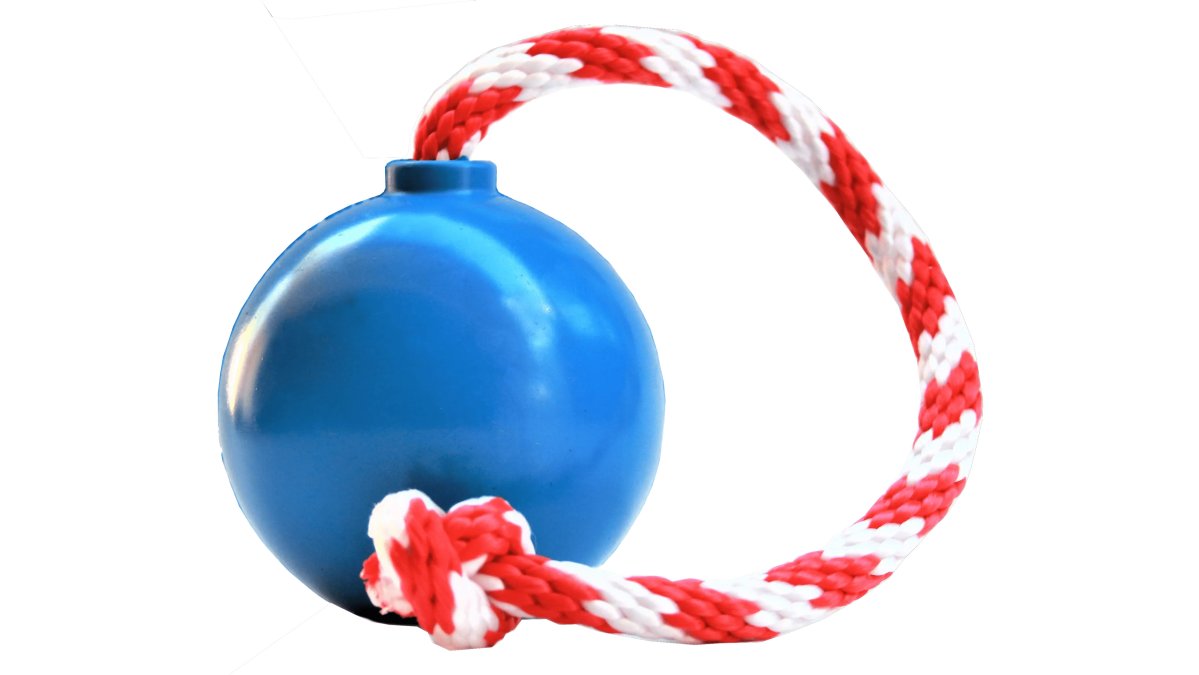
Table of Contents
- Why Dogs Chew: Common Reasons Behind the Behavior
- How to Stop Destructive Chewing with Positive Reinforcement
- Best Chew Toys for Aggressive Chewers
- Mental Stimulation for Dogs: Puzzles and Enrichment Games
- How to Puppy Proof Your Home
- Post-Chewing Correction Protocol
- Frequently Asked Questions
Last Updated: September 27, 2026
Why Dogs Chew: Common Reasons Behind the Behavior
Chewing is one of the most natural things a dog does, and understanding why dogs chew starts with one simple truth: the behavior itself is not the problem, it is what they choose to chew on. This guide walks through the real reasons behind chewing, how to redirect it kindly, and how to protect your home.

Teething and Puppy Development
Puppies chew because their mouths hurt. Between roughly three and seven months, baby teeth loosen and adult teeth push through, and gnawing on something firm soothes that discomfort. This stage is temporary, but it sets habits that last. Keep soft-to-medium chew toys within reach, chill a few in the freezer for sore gums, and swap a toy in every time those needle teeth find a chair leg.
Boredom and Stress-Related Chewing
An adult dog that suddenly shreds a pillow is usually not being spiteful. Boredom and stress-related chewing are the two most common culprits in grown dogs. A dog left alone for long stretches with nothing to do will self-soothe the only way it knows how. Dogs dealing with separation anxiety often target items that carry your scent, which is why so many owners come home to a chewed-up shoe rather than a chewed-up bookshelf.
How to Stop Destructive Chewing with Positive Reinforcement
Positive reinforcement is the fastest route to a dog that chews the right things, because it teaches what to do instead of only punishing what not to do. Catch your dog chewing something appropriate, praise calmly, and reward right away, praise delivered mid-chew links the reward to the toy, not to you walking in the room.
- Keep 3-4 approved chew toys within reach in every room
- Reward every instance of chewing on the right item
- Interrupt and redirect, never punish
- Supervise closely for the first few weeks
- Increase physical exercise and mental stimulation on chewing-heavy days
Pro Tip
A common mistake is offering one lonely toy and expecting it to compete with a whole house of interesting textures. Rotate toys every few days so the selection stays novel, and keep the most engaging one for the times your dog is alone.
Best Chew Toys for Aggressive Chewers
The best chew toys for aggressive chewers are firm, durable, and sized correctly for your dog's jaw strength, because a toy that is too small or too soft becomes a swallowing hazard once it starts breaking apart. Match the toy to the chewer, not the breed label on the package.
How to Read a Chew Toy Before You Buy It
A few quick checks tell you more than any marketing claim:
- Material. Solid natural rubber and firm foam give slightly under pressure without shredding. Hard plastic and antler-style chews can crack teeth, so many owners steer away from them for power chewers.
- Size. The toy should be too big to swallow whole. A common rule of thumb is to size up rather than down when you are between two options.
- Give. Press a thumbnail into the surface. If it dents easily, it is too soft for a heavy chewer. If it does not give at all, it may be too hard for safe chewing.
- Construction. Look for thick walls, no glued-on parts, and no small pieces that can pop off.
Matching the Toy to the Chewer
| Chewer Type | Toy Style | What to Look For | Example |
|---|---|---|---|
| Power chewer | Solid rubber, treat-fillable | Thick walls, correct size, no small parts | USA-K9 Cherry Bomb |
| Moderate chewer | Firm foam, textured | Gives slightly, easy to grip | Gnaw Guard Foam Toys |
| Anxious chewer | Soft-textured, soothing | Gentle on gums, calming to hold | Gnaw Guard Foam Toys |
For power chewers, solid rubber or firm foam that gives slightly under pressure without shredding tends to hold up best. The USA-K9 Cherry Bomb Durable Rubber Chew Toy is built for exactly this crowd: it works as a chew toy, a treat dispenser, a tug toy, and a retrieving toy, and it is designed to hold up to the abuse of most power chewers.
Breed and Energy Level Matter More Than Size
Most guides stop at "buy a tough toy," but the dog's drive is what actually determines how long a toy lasts. Working and high-energy breeds, herding, retrieving, and terrier types, often need more frequent chewing outlets and tougher materials than a laid-back companion dog of the same weight. A 60 lb couch potato and a 60 lb working breed are not the same chewer.
Watch Out
No toy is indestructible. Check chew toys weekly for cracks, missing chunks, or loose pieces, and remove anything damaged right away. A torn toy can become a choking hazard or an intestinal blockage, which is a much bigger problem than a chewed slipper.
Pro Tip
Rotate toys every few days so the selection stays novel, and keep the most engaging one for the times your dog is alone. A bored power chewer will find something to chew, your job is to make sure the right option is the most interesting one in the room.
Mental Stimulation for Dogs: Puzzles and Enrichment Games
Mental stimulation for dogs does more to stop destructive chewing than almost anything else, because a tired brain settles a restless jaw. Ten minutes of problem-solving can wear a dog out the way a long walk does, and it works on rainy days and in small apartments.
- Muffin tin hunt: drop treats in a muffin tin and cover each cup with a tennis ball
- Snuffle towel: roll kibble into a tightly twisted towel for nose work
- Cardboard shred box: tape treats inside a small box and let your dog tear it apart
- Frozen broth block: freeze low-sodium broth and kibble in a bowl for a long-lasting project
How to Puppy Proof Your Home
Learning how to puppy proof your home is really about removing temptation before it becomes a habit. A dog cannot chew what it cannot reach, and every prevented mistake is one less behavior to untrain later.
USA-K9 Cherry Bomb Durable Rubber Chew →
Start at Floor Level and Work Up
Cords, chargers, trash cans, shoes, and remote controls are the usual suspects. Use cord covers or run cables behind furniture, put trash cans behind cabinet doors or under a lid, and give shoes a home in a closed closet rather than the floor by the door.
- Cover or hide electrical cords
- Move trash cans out of reach
- Store shoes, bags, and remotes in closed spaces
- Block off rooms with baby gates during unsupervised time
- Keep countertop food and medications fully out of reach
- Secure cabinet doors holding cleaning supplies
The Gap Most Guides Skip: Breed and Energy Level Change the Plan
A generic checklist assumes every puppy chews the same way. They do not. Herding, retrieving, and terrier breeds tend to have higher oral drive and need more outlets, while some companion breeds are content with a single soft toy. If your puppy is a high-drive type, puppy proofing is not enough on its own, front-load enrichment before alone time. A frozen stuffed toy, a snuffle mat, or a puzzle feeder in the crate or pen can absorb the energy that would otherwise go into a baseboard.
DIY Enrichment That Doubles as Puppy Proofing
Low-cost, homemade setups do two jobs at once: they tire your puppy out and give the mouth something better to do.
- Muffin tin hunt: drop treats in a muffin tin and cover each cup with a tennis ball
- Snuffle towel: roll kibble into a tightly twisted towel for nose work
- Cardboard shred box: tape treats inside a small box and let your dog tear it apart
- Frozen broth block: freeze low-sodium broth and kibble in a bowl for a long-lasting project
When Prevention Fails
Even with a solid setup, puppies will find something. What matters is what you do next. Interrupt calmly, swap in an approved chew, and note what was chewed, the pattern tells you whether you missed an outlet or left something reachable. If chewing clusters around alone time, treat it as a signal to add enrichment before the next departure rather than a discipline problem.
Key Takeaway
Puppy proofing is not just hiding your stuff. It is making the right chew the easiest, most interesting option in the room, and matching that setup to your puppy's actual energy level.
Post-Chewing Correction Protocol
Here is a simple protocol to follow instead:
- Stay calm. Clean up without drama. Any reaction hours later only confuses your dog.
- Assess the trigger. Was the dog alone? Bored? Recently stressed? Note the pattern.
- Remove the item from reach. If your dog will chew it again, it should not be accessible.
- Increase the outlet. Add a puzzle, a frozen chew, or extra exercise before the next alone period.
- Rehearse the swap. Practice redirecting to an approved toy when you are home so the habit is strong when you are not.
- Track the pattern. If chewing clusters around departures, that points toward anxiety management rather than simple boredom.
- Talk to your vet if it escalates. Ongoing destructive behavior, especially when paired with pacing, drooling, or escape attempts, is worth a conversation with your veterinarian.
Key Takeaway
The most useful correction happens before the chew, not after. Set your dog up with the right outlet, and you will spend far less time repairing the wrong one.
That is the full picture of why dogs chew and how to manage it: meet the need behind the behavior, reward the right choice, and make the wrong choice harder to reach. Red Rock Pet Supplies carries durable chew toys, treat-dispensing puzzles, and everyday essentials delivered right to your door, with free shipping available and a curated selection built around real dogs and real homes. Browse the toy collection at Red Rock Pet Supplies and give your dog something better to sink their teeth into.
Frequently Asked Questions
How do I stop my dog from chewing and eating everything?
Start by managing the environment: keep shoes, cords, and trash out of reach, and provide plenty of appropriate chew toys. When you catch your dog chewing something inappropriate, calmly redirect them to a toy they are allowed to chew. Reward them when they choose the right item. This consistent redirection, paired with enough exercise and mental stimulation, helps reduce the urge to chew on household items. If chewing is extreme or your dog swallows non-food items, talk to your veterinarian.
Which breeds of dogs chew the most?
Breeds originally bred for working or retrieving, such as Labradors, golden retrievers, German shepherds, and terriers, often have strong jaws and a natural drive to chew. Puppies of any breed chew during teething. Individual personality and exercise needs matter more than breed alone, but if you have a high-energy or strong-jawed dog, plan for durable chew toys and more daily activity.
At what age do dogs typically stop chewing everything?
Most puppies stop excessive chewing around 12 to 18 months, once teething is over and they learn what is appropriate to chew. However, some dogs continue chewing into adulthood if they are bored, anxious, or not given enough outlets. Consistent training, mental stimulation for dogs, and suitable chew toys can help speed up the process and prevent destructive behavior from becoming a habit.
Is chewing a sign of anxiety in dogs?
Yes, chewing can be a self-soothing behavior when dogs are anxious or stressed. If your dog chews mainly when left alone, during thunderstorms, or in new situations, anxiety may be the cause. Provide a safe space, try calming enrichment activities, and consider consulting your veterinarian about ways to help your dog feel more secure. For mild cases, a durable treat-dispensing toy can redirect nervous energy.

