

Cart
0
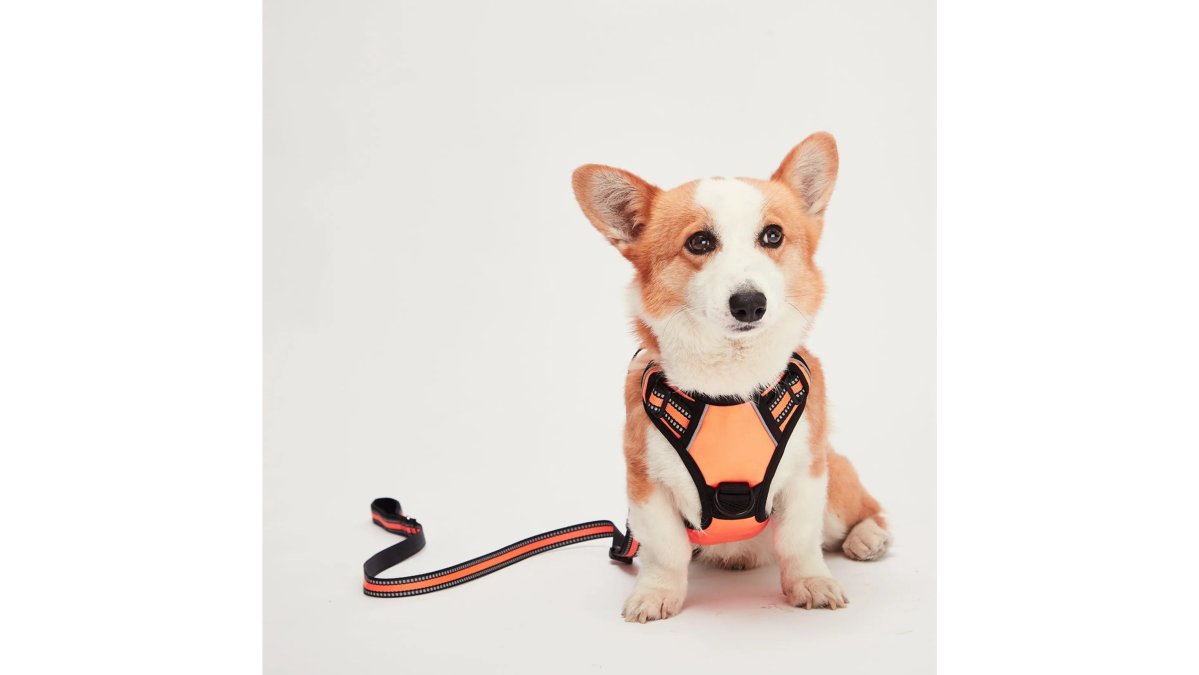
Table of Contents
- Why Small Dogs That Pull Need a Different Kind of Harness
- How to Measure a Dog for a Harness (Step by Step)
- Front-Clip vs Back-Clip Harness for Small Dogs: Which Stops Pulling?
- Signs of a Poorly Fitting Dog Harness to Watch For
- Materials, Padding, and Safety Features That Matter for Toy Breeds
- Best Practices for Leash Training Small Dogs That Pull
- Conclusion
- Frequently Asked Questions
Last Updated: September 23, 2026
Why Small Dogs That Pull Need a Different Kind of Harness
Learning how to select the right harness for small dogs that pull starts with one simple fact: tiny bodies handle leash pressure very differently than big ones. A harness built for a Labrador can overwhelm a six-pound Chihuahua.
That's why the fit, weight, and design matter so much more for small breeds. This guide walks through every step, from measuring your dog to choosing the right clip style.
How Pulling Affects a Small Dog's Neck and Throat
A collar puts all the pressure from pulling right on the neck. For a small dog, that area is delicate. The windpipe and the small bones around it are not built to take repeated tugging.
Over time, constant pressure on the throat can cause coughing, gagging, or a hoarse sound after walks. Some dogs develop a honking cough that shows up when they get excited.
A harness spreads that same force across the chest and body instead. That's the main reason so many owners switch.
The Weight-to-Dog Ratio Most Owners Overlook
Here's something most guides skip: the harness itself has weight.
A harness that feels light in your hand can feel heavy on a five-pound dog. Think of it like a backpack. A 20-pound pack is fine for a grown adult. That same pack on a toddler would be a burden.
Aim for a harness that feels light and doesn't sag when your dog walks. If your dog tires quickly or walks stiffly, the gear may be too heavy.
Key Takeaway
For toy breeds, the harness should feel almost weightless on your dog. If you notice drooping straps or sluggish walks, size down or switch to a lighter design.
How to Measure a Dog for a Harness (Step by Step)
Knowing how to measure a dog for a harness takes about five minutes and a soft tape. Guessing the size is the number one reason harnesses get returned.
Here's the simple process:
- Girth: Wrap the tape around the widest part of the ribcage, just behind the front legs.
- Neck: Measure around the base of the neck where a collar would sit.
- Chest length: Measure from the base of the neck to the end of the ribcage.
- Record everything: Write each number down in inches.
- Check the size chart: Compare your numbers to the maker's chart, not the breed label.
- Re-measure once: Dogs wiggle. A second pass catches mistakes.

A common mistake is measuring too loosely. The tape should sit snug against the fur without pressing in. If your dog is between sizes, size up and use the adjustment points.
Front-Clip vs Back-Clip Harness for Small Dogs: Which Stops Pulling?
For small dogs that pull, a front-clip harness usually works better. The leash attaches at the chest, so when your dog pulls forward, the body gently turns back toward you.
A back-clip harness attaches at the shoulders. It's comfortable and great for calm walkers, but it can actually give a strong puller more use.
| Feature | Front-Clip | Back-Clip |
|---|---|---|
| Leash attachment | Chest d-ring | Shoulder d-ring |
| Best for | Dogs that pull | Calm walkers |
| Steering control | Higher | Lower |
| Comfort | Good with padding | Good with padding |
Some harnesses offer both clips, which gives you options as training progresses. Start on the front clip, then switch to the back once leash manners improve.
Pro Tip
Try a double-ended leash on a dual-clip harness. You can clip to the front for control on busy streets and the back for relaxed sniff walks.
Signs of a Poorly Fitting Dog Harness to Watch For
Spotting the signs of a poorly fitting dog harness early saves your dog a lot of discomfort. Most problems show up within the first few walks.
Watch for these red flags:
- Chafing or bald spots under the front legs
- Strap marks that stay after the harness comes off
- Your dog backing away when you pick up the harness
- Twisting or sliding to one side during walks
- Limping or stiff movement after a walk
- Escape attempts when startled
A harness that fits well stays in place without pinching. You should fit two fingers under each strap, no more.
If your dog keeps slipping out, the harness is too loose or the shape doesn't match your dog's body. A step-in design can help dogs with narrow chests.
Materials, Padding, and Safety Features That Matter for Toy Breeds
Breathable mesh and padded chest plates keep small dogs comfortable on daily walks. Toy breeds have thin coats and sensitive skin, so rough straps cause problems fast.
Mr. Peanut's PetTrek Reflective Pet →
Look for these features:
- Padded chest plate to spread pressure
- Breathable air mesh for warm-weather walks
- Reflective piping or strips for evening visibility
- Quick-release buckles for easy on and off
- Multiple adjustment points for a custom fit
- A top handle for instant control near traffic
Red Rock Pet Supplies carries a reflective harness with padded air mesh and both front and chest clips, plus a matching leash and a helpful top handle. For darker walks, a rechargeable LED harness adds extra visibility.

Consumer Product Safety Commission pet product safety guidance
Best Practices for Leash Training Small Dogs That Pull
The best practices for leash training small dogs that pull come down to patience and consistency. No harness trains your dog on its own. It just makes training easier.
The Core Habits
Start with these habits:
- Reward your dog for walking beside you with treats and praise
- Stop moving the moment the leash goes tight
- Change direction to teach your dog to follow you
- Keep sessions short, around five to ten minutes
- Practice inside first, then move to quiet streets
- Stay consistent so your dog learns what to expect
Positive reinforcement beats correction every time. Small dogs respond well to quick, cheerful rewards.
A 7-Day Transition Plan for Switching From Collar to Harness
Most guides stop at "be patient." But switching a puller from a collar to a harness is its own adjustment, and a short structured plan makes it smoother for both of you. Here's a simple one-week outline you can adapt to your dog's pace.
Day 1, Neutral introduction. Leave the harness on the floor near your dog's food bowl or favorite toy. Let them sniff it. No pressure, no putting it on.
Day 2, Touch and treat. Pick up the harness, let your dog investigate, and reward calm curiosity. Clip and unclip the buckles near them so the sound becomes familiar.
Day 3, Wear it indoors, no leash. Put the harness on for two to three minutes inside the house. Treat, praise, take it off. Repeat once or twice.
Day 4, Wear it with a light leash drag. Harness on, leash attached but not held. Let your dog walk around the living room dragging the leash for a minute or two. This gets them used to the feel.
Day 5, First indoor walk. Hold the leash and take a few laps around the house or yard. Reward any moment the leash is loose. Stop the second it goes tight.
Day 6, Short outdoor session. Five minutes on a quiet sidewalk or driveway. Front-clip attachment.
What to Do When It Goes Sideways
Some days your dog will forget everything. That's normal. If the leash goes tight and stays tight, stop walking, wait for a slack moment, reward it, and continue. If your dog is lunging hard, end the session rather than fighting through it. A short, successful walk beats a long, frustrating one.
Watch Out
Yanking or jerking the leash can hurt a small dog's neck and chest. If your dog lunges hard, stop and reset rather than pulling back.
When to Ask for Help
If pulling doesn't improve after a few weeks of consistent practice, or if your dog seems stressed on walks, a certified trainer or your veterinarian can offer guidance tailored to your dog. There's no shame in getting a second set of eyes on the routine.
Conclusion
Finding the right harness for a small dog that pulls takes a little measuring, a little patience, and the right design. Front-clip harnesses, padded straps, and a proper fit make daily walks calmer for both of you.
Frequently Asked Questions
What is the best harness for a small dog that pulls?
A front-clip harness with a padded chest plate works well for most small dogs that pull. The front leash attachment redirects your dog toward you when they lunge forward, which reduces leash pressure on the throat. Look for breathable mesh, adjustable straps at the chest and girth, and a quick-release buckle. A lightweight design matters too, since heavy hardware can weigh down a toy breed and make walking uncomfortable.
How do I choose the right size dog harness for my dog?
Measure your dog's girth at the widest part of the ribcage, just behind the front legs, and their neck circumference at the base of the neck. Write both numbers down and compare them to the harness brand's sizing chart. If your dog falls between two sizes, size up and use the adjustment points to tighten the fit. Always recheck the fit after a few walks, since straps can loosen over time.
What are the benefits of a front-clip harness for small dogs?
A front-clip harness distributes leash pressure across the chest instead of the neck, which matters for small breeds with delicate tracheas. When your dog pulls, the front attachment gently turns them back toward you, giving you more control without jerking. Many front-clip designs also include a back-clip D-ring for relaxed walks. This dual-attachment setup lets you switch between training mode and casual strolls with the same harness.
How can I tell if a harness fits my small dog correctly?
You should be able to slide two fingers under every strap without forcing them. Check for red marks, rubbed fur, or chafing behind the front legs after a walk. The harness should not slide side to side or twist when your dog moves. If your dog can back out of it or the chest strap hangs loose, the fit is wrong. Adjust one strap at a time and retest before heading out again.

