

Cart
0
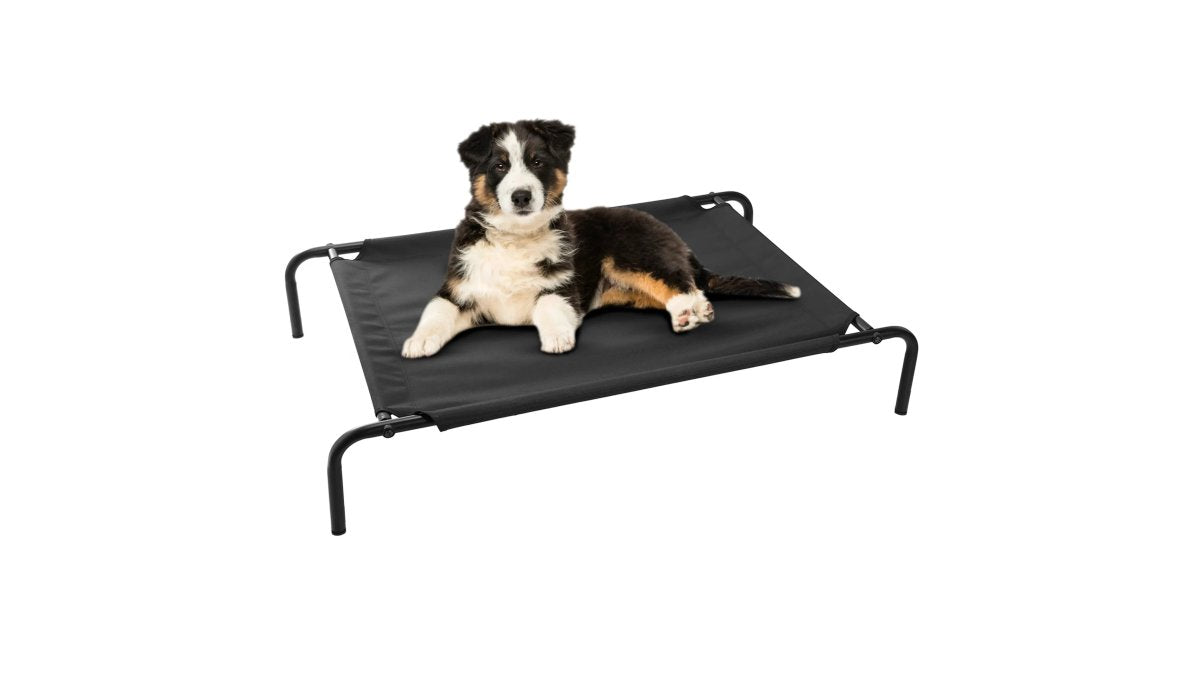
Table of Contents
- Why Raised Dog Beds Work So Well Outdoors
- How to Choose Durable Dog Beds for Chewers
- Best Materials for Outdoor Dog Beds
- Cleaning and Maintenance for Elevated Dog Beds
- Raised Beds and Everyday Training
- Common Mistakes to Avoid with Outdoor Raised Beds
- Conclusion
- Frequently Asked Questions
Last Updated: September 22, 2026
Why Raised Dog Beds Work So Well Outdoors
A raised dog bed lifts your dog off the ground, and that single design choice changes almost everything about outdoor comfort. These beds, also called elevated dog beds or pet cots, use a suspended platform instead of cushioned flooring, which keeps air moving underneath your dog while blocking ground moisture and pests. This guide walks through the practical benefits of raised dog beds for outdoor use, from cooling and joint relief to training and long-term durability. Below, we'll show you exactly which features matter, which materials hold up, and the mistakes that shorten a bed's life.


The core idea is simple: dogs cool themselves largely through their paws and belly, so a bed that lets air circulate underneath supports the body's natural cooling process.
Airflow, Cooling, and Comfort
Airflow circulation is the headline benefit. When a dog lies on the ground, body heat gets trapped between fur and floor. An elevated cot lets breezes pass underneath, which helps with thermal regulation on warm days. A breathable mesh surface adds to the cooling effect by letting heat escape rather than holding it.
Joint Support and Pressure Relief
Orthopedic support matters most for older dogs and larger breeds. A taut, suspended surface distributes weight more evenly than a thin cushion on hard ground, which can ease pressure points on hips and elbows. That weight distribution is why raised beds can be a good option for dogs managing arthritis or reduced canine mobility.
How to Choose Durable Dog Beds for Chewers
The most durable dog beds for chewers often share three traits: a heavy-duty frame, a taut sleeping surface, and hardware that stays put. Dogs who dig, scratch, and gnaw test every seam, so the materials matter.
- Frame is powder-coated steel, not thin tubing
- Fabric is tight-woven and labeled tear-resistant
- Corners are reinforced where claws land
- Non-slip feet keep the bed from sliding on patios
- Weight capacity comfortably exceeds your dog's size
Watch Out
An oversized bed with a loose cover can sag in the middle, and sagging fabric may invite digging and chewing. Consider matching the bed to your dog's current size.
Best Materials for Outdoor Dog Beds
The best materials for outdoor dog beds balance weather resistance with comfort, but the real test is how they hold up after a full season of sun, rain, and temperature swings. That's the part that can influence whether your bed lasts two summers or five.
- Breathable mesh dries fast and moves air well, which is why it's popular for hot climates. The trade-off is that thin mesh can stretch or tear over time, especially under a dog who digs, and constant UV exposure can make some mesh brittle after a season or two.
- High-density oxford or canvas is tougher against claws and holds its shape better, but it absorbs more heat in direct sun and dries slower after rain. If it stays damp against the frame, mildew becomes a real risk.
How Sun, Rain, and Humidity Age Each Material
UV exposure can break down fibers over time, so any fabric left in full sun may fade and weaken faster than the same fabric in shade. Humidity and trapped moisture can be a threat: a surface that stays damp against a frame is where mildew and odors might start. That's why airflow underneath can matter as much for the fabric's life as it does for your dog's comfort.
A simple seasonal rhythm helps:
- Spring: Rinse off winter grime, check the frame for rust spots, and re-tighten hardware.
- Summer: Rinse the surface more often to clear pollen and sunscreen residue, and move the bed into shade during peak heat.
- Fall: Do a full wash and dry before the rainy season, and inspect seams for fraying.
- Winter: If the bed stays outside, keep it off wet ground; if you store it, fold it dry to prevent mildew.
Pro Tip
Surface compatibility matters more than most people realize. A raised bed on hot concrete can still radiate heat upward, so placing it on grass, a shaded deck, or a patio rug keeps the cooling effect working in your dog's favor. On uneven ground, check that all four feet sit level so the frame doesn't twist.
Matching the Bed to Your Yard
The right material depends on where the bed lives. A covered porch or shaded deck is gentler on any fabric, so mesh or oxford both work well. A fully exposed lawn or patio calls for the tougher, water-repellent oxford and a frame that won't rust. If your dog is a chewer or digger, prioritize a taut, tight-woven surface and reinforced corners over softness.
Cleaning and Maintenance for Elevated Dog Beds
Cleaning and maintenance for elevated dog beds comes down to a simple routine, but outdoor beds need a little more attention than indoor ones because sun, rain, and dirt work on them year-round. Because the sleeping surface sits off the ground, most dirt and hair fall straight through, which keeps things easier than a floor cushion.
Elevated Pet Bed Dogs Cot Dogs Cats →
A monthly once-over keeps a bed in good shape:
| Task | How Often | Why It Matters |
|---|---|---|
| Rinse the fabric surface | Weekly | Removes dirt, pollen, and allergens |
| Wipe the frame | Monthly | Prevents rust and grime buildup |
| Tighten bolts and joints | Monthly | Keeps structural stability safe |
| Full wash and dry | Seasonally | Prevents mold and mildew |
| Inspect for wear | Seasonally | Catches fraying before it spreads |
Seasonal Storage and Off-Season Care
This is where outdoor beds quietly fail. A bed left assembled through a wet winter or a snowy stretch is far more likely to grow mildew, rust at the joints, or crack at stressed seams. A little prep before the cold season goes a long way:
- Clean and dry completely. Any trapped moisture becomes mildew once the bed is folded or covered.
- Disassemble if the design allows. Detachable frames store flatter and put less stress on the fabric.
- Store indoors or under cover. A garage, shed, or covered porch keeps UV and rain off the materials.
- Keep it off the floor. A shelf or a couple of blocks prevents damp concrete from wicking moisture into the fabric.
- Check before spring. Look for stretched mesh, frayed seams, and loose hardware so you can fix small issues before they grow.
Key Takeaway
A quick weekly rinse can contribute to a bed's lifespan. Adding a seasonal storage routine may help you get extra years out of the same bed.
Spotting Wear Before It Becomes a Replacement
A few small checks can help you determine whether a bed is still safe and comfortable:
- Sagging surface: If the fabric dips in the middle, it's lost tension and no longer supports weight evenly.
- Frayed seams or corners: These are the first places claws and teeth win the battle.
- Wobbly frame: Loose joints mean the bed may not hold steady under a dog who jumps on.
- Persistent odor or dark spots: A sign moisture is trapped and mildew is starting.
Raised Beds and Everyday Training
Training benefits can be a reason to use a raised bed outdoors. Because the bed has clear edges and a defined spot, it can work as a target for a "place" command. Dogs may learn faster when the destination is obvious.
Common Mistakes to Avoid with Outdoor Raised Beds
Many outdoor bed problems can be related to placement and setup. Avoiding a few common mistakes may help extend the life of your bed.
- Leaving the bed in direct sun. Even cooling designs work best in shade; full sun can make any surface uncomfortably hot.
- Skipping the size check. A bed that's too large sags and invites chewing; one that's too small offers no real pressure relief.
- Ignoring the ground underneath. Damp soil or standing water defeats the purpose of an elevated platform.
- Never tightening the frame. Loose joints wobble, and a wobbly bed is one a nervous dog won't use.
- Forgetting storage. In off-season months, folding the bed and storing it dry prevents mildew and extends its life.
Conclusion
Picking the right outdoor bed comes down to matching materials, size, and placement to your dog's real habits, and that's where a little guidance saves a lot of trial and error. Red Rock Pet Supplies carries elevated cots built for exactly this, including breathable, water-repellent designs and cooling pads that work together for warm-weather comfort. With quality pet supplies, fast shipping, and free shipping available, getting the right setup delivered is simple. Check Out Red Rock Pet Supplies and give your dog a cool, supportive spot to call their own.
Frequently Asked Questions
Are elevated dog beds better for dogs?
For many dogs, yes. Raised dog beds lift your pet off the ground, which improves airflow circulation underneath and helps with thermal regulation on warm days. The off-the-ground design also keeps your dog away from ground moisture and reduces contact with fleas, mites, and other insects. For seniors or dogs with arthritis, the gentle elevation can ease joint pressure relief compared to sleeping directly on hard or damp surfaces.
What are the downsides of using raised beds?
Raised beds are not for every dog. Some pups prefer the sink-in feel of a plush bed, and very young or very old dogs may need a ramp or low profile to climb on safely. Chewers can damage fabric if the material is not chew-resistant. Also, a raised bed offers less insulation in cold weather, so you may want a water resistant pad or blanket on top during winter months.
How do I keep my dog's outdoor bed clean?
Start by choosing a bed with a removable, machine-washable cover and a frame you can wipe down. Shake off loose dirt and hair weekly, then wash the cover according to the care label. For frames, use a damp cloth with mild soap. Keeping the bed elevated helps with mold and mildew prevention since air moves underneath and moisture does not get trapped. A quick routine keeps bedding hygiene simple.
Do raised dog beds help with joint pain?
They can offer comfort for dogs dealing with stiffness or arthritis management. The elevated surface can provide support and help distribute weight more evenly, which may ease pressure points. The gentle bounce of a taut fabric cot may also make it easier for a dog to stand up. Every dog is different, so watch how yours moves and consider consulting with your vet if you have concerns about mobility.

