

Cart
0
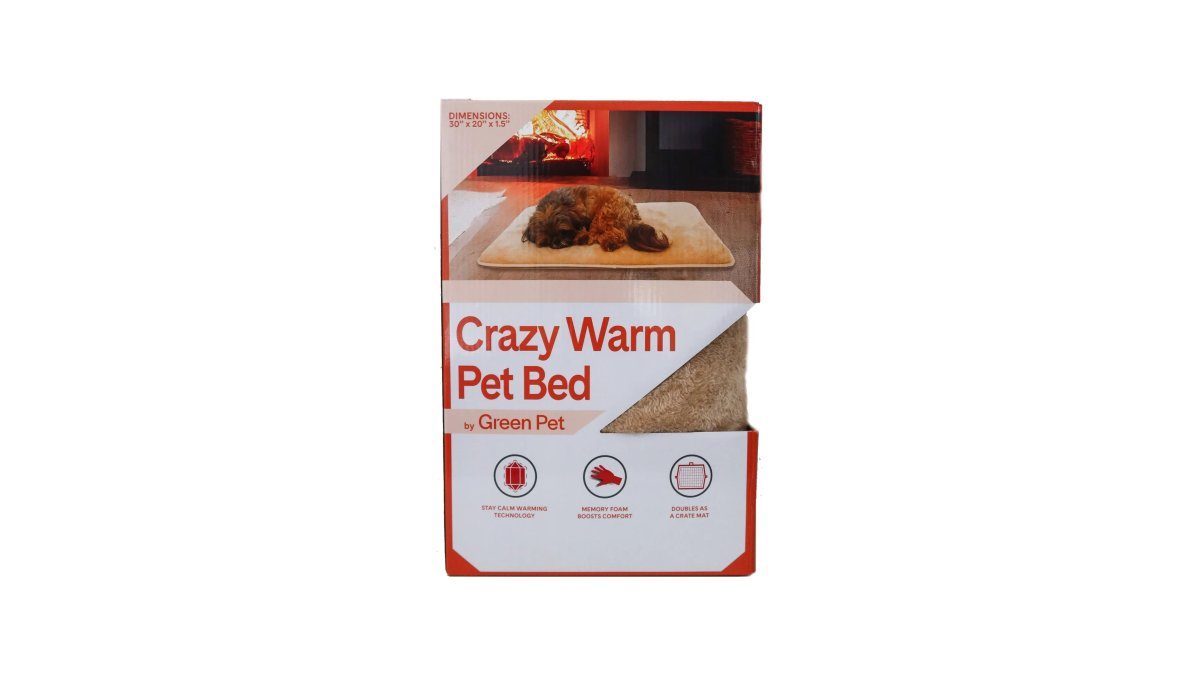
Table of Contents
- What Makes a Self-Warming Pet Bed Worth Buying
- Self-Warming vs. Electric Heated Pet Beds
- Safety Tips for Heated Pet Mats
- Choosing Beds for Puppies, Chewers, and Senior Pets
- How to Keep Pets Warm in Winter Beyond the Bed
- Washability, Durability, and Long-Term Value
- Passive Warmth and Electricity Use
- Thinking About Long-Term Value
- Conclusion
- Frequently Asked Questions
- Frequently Asked Questions
Last Updated: September 16, 202
What Makes a Self-Warming Pet Bed Worth Buying
Self-warming pet beds can be a cozy way to help cats and dogs stay comfortable during cooler weather. Instead of plugging into an outlet, these beds use layers designed to retain and reflect some of the warmth your pet naturally produces.
That makes them especially convenient for pet parents who want to add warmth to a favorite sleeping spot without dealing with electrical cords.

How Self-Warming Pet Beds Work
Most self-warming beds combine a soft sleeping surface with an insulating or reflective layer underneath. As your pet settles into the bed, that layer helps retain some of the body warmth that would otherwise escape.
The important distinction is that a self-warming bed doesn't generate heat like an electric heating pad. Think of it more like an insulated blanket: it helps make better use of the warmth that's already there.
Key Takeaway: Self-warming beds are designed for added comfort, not as a replacement for a properly heated indoor environment during extremely cold weather.
Self-Warming vs. Electric Heated Pet Beds
Both styles can provide additional warmth, but they work very differently.
Self-warming beds don't require electricity, so there are no power cords or heating controls to manage. Electric heated beds actively produce heat and therefore require owners to pay closer attention to the manufacturer's operating, placement, and supervision instructions.
For many households, the simplicity of a self-warming bed is part of its appeal.
Cordless Convenience
A cordless bed can be especially handy when your pet likes to sleep in different areas of the house. You can move the bed without worrying about finding an outlet or positioning an electrical cord.
For pets that like to chew bedding or investigate cords, removing the electrical component can also eliminate one thing for owners to worry about.
Safety Tips for Heated Pet Mats
If you choose an electric heated bed or mat, start with the manufacturer's directions. Different products can have different requirements for placement, coverings, cleaning, and supervision.
Check the Cord and Mat Regularly
Before using an electric pet mat, look over the cord, plug, controller, and the point where the cord enters the mat.
Watch for:
- Cracks or visible damage
- Chew marks
- Frayed areas
- Loose connections
- Damage to the mat or covering
If something looks damaged, stop using the product and follow the manufacturer's replacement or service recommendations rather than trying to repair an electrical pet product yourself.
Choose the Right Location
Place heated products according to the manufacturer's instructions and keep cords where they won't become a tripping or chewing temptation.
Avoid adding blankets or other coverings unless the manufacturer specifically says they're appropriate for that particular product.
Watch Out: Heated pet products aren't all designed the same way. Always follow the instructions provided with the specific bed or mat you're using.
When to Ask Your Veterinarian
Some pets may have health, age, mobility, or temperature-regulation concerns that affect their bedding needs. If you're unsure whether additional heat is appropriate for your pet, your veterinarian can help you decide what type of sleeping setup makes sense.
Choosing Beds for Puppies, Chewers, and Senior Pets
Matching a bed to your pet's actual sleeping habits is often more useful than simply choosing the warmest option available.
Puppies and enthusiastic chewers may benefit from simpler bedding with durable construction and fewer tempting components.
Older pets may appreciate a bed that's easy to enter and provides a comfortable, supportive sleeping surface. Look for features such as a lower entrance, supportive cushioning, and a washable cover.
If your senior pet has arthritis, limited mobility, or another medical condition, ask your veterinarian about bedding considerations that may help keep them comfortable.
How to Keep Pets Warm in Winter Beyond the Bed
A comfortable bed is only one part of creating a cozy winter environment.
Keep your pet's sleeping area away from cold drafts when possible, and consider placing the bed somewhere your pet already enjoys relaxing. A familiar blanket can make a new sleeping area more inviting.
Paying Attention to Your Pet
Pets have their own preferences. Some immediately burrow into a warm bed, while others would rather stretch out somewhere cooler.
Watch where your pet chooses to sleep and how they use their bedding. Shivering or repeatedly seeking warmer areas can be a reason to check the room temperature and make sure your pet has a comfortable place to rest.
If you're concerned about your pet's ability to stay warm or notice an unusual change in behavior, contact your veterinarian for advice.
Pro Tip: If your pet ignores a new bed, try placing it where they already sleep. Adding a familiar blanket or another item carrying familiar household scents may also encourage them to investigate it.
Washability, Durability, and Long-Term Value
A warming bed won't be very practical if keeping it clean becomes a major chore.
Before buying, check the care instructions and determine whether the entire bed can be washed or whether it has a removable cover.
What's Inside a Self-Warming Bed?
Construction varies by manufacturer, but many self-warming beds contain several layers:
- Comfort layer: Often fleece, faux fur, plush fabric, or another soft material.
- Insulating or reflective layer: Designed to help retain some of the warmth produced by your pet.
- Base or cushioning layer: May contain foam, polyester filling, or another supportive material.
Always check the individual product description because materials can vary considerably between beds.
Washing a Self-Warming Bed
Follow the manufacturer's washing instructions rather than assuming every warming bed can be cleaned the same way.
Some beds have removable washable covers, while others allow the entire bed to be washed. Certain internal materials may require gentler cleaning or lower drying temperatures.
Following the care label is the best way to protect the bed's construction and help it last.
Durability
Pay attention to the parts of a bed that will receive the most wear.
Check seams, zippers, covers, and cushioning periodically. Pets that scratch, dig, or chew before settling down can be particularly hard on bedding.
If the bed has a removable cover or replaceable insert, those features can also make long-term maintenance easier.
Passive Warmth and Electricity Use
One obvious advantage of a self-warming bed is that it doesn't need to be plugged in.
That means it doesn't consume electricity while your pet is using it, and there are no heating controls or electrical components involved.
For pet owners simply looking to make an indoor sleeping area a little cozier during cooler months, that simplicity may be all that's needed.
Thinking About Long-Term Value
Price alone doesn't tell you whether a pet bed is a good value.
Consider how often the bed can be washed, whether the cover can be replaced, how sturdy the seams are, and whether your pet actually likes the shape and sleeping surface.
A bed your pet happily uses season after season is usually a better purchase than one chosen entirely because it was inexpensive.
Conclusion
Choosing winter bedding is really about finding something that fits your pet, your home, and the way your pet likes to sleep.
Self-warming pet beds offer a simple approach to added coziness without requiring electricity. Look for comfortable materials, practical cleaning instructions, sturdy construction, and a size and shape that match your pet's sleeping habits.
And remember: bedding is about comfort. If you're concerned about your pet's health, mobility, or ability to regulate body temperature, that's a conversation worth having with your veterinarian.
Frequently Asked Questions
Do self-warming cat beds actually work?
Self-warming beds are designed to retain and reflect some of the warmth your cat naturally produces. They don't create heat like an electric heating element, so their purpose is to make a comfortable indoor sleeping spot feel cozier.
How do self-warming pet beds work without electricity?
They use insulating or reflective materials to help retain your pet's natural body warmth. Because there's no electrical heating element, they don't require a plug or power cord.
Are self-warming beds suitable for senior pets?
They can be a comfortable option for many older pets, particularly when combined with supportive cushioning and an easy-to-enter design. Because individual health and mobility needs vary, talk with your veterinarian if your senior pet has a medical condition or difficulty regulating body temperature.
What should I consider when using an electric heated pet bed?
Follow the manufacturer's instructions for placement, cleaning, coverings, and supervision. Regularly inspect the cord and product for visible damage, particularly if your pet tends to chew.
How can I tell if my pet needs a warmer sleeping area?
Pay attention to your pet's behavior and preferred sleeping locations. If they're consistently seeking warmer areas or appear uncomfortable in colder conditions, consider adjusting their sleeping environment. Persistent shivering or concerns about your pet staying warm should be discussed with your veterinarian.
Winter bedding works best when it suits the animal using it. At Red Rock Pet Supplies, we believe a comfortable pet bed should fit naturally into your pet's everyday routine—whether they prefer stretching out, curling up, or burrowing into something cozy.
Crazy Warm Pet Bed
Frequently Asked Questions
Do self-warming cat beds actually work?
Yes, within limits. Self-warming pet beds use a reflective liner, often aluminized film or a thermal pad, that bounces your cat's own body heat back toward them. That trapped warmth raises the surface temperature a few degrees above room temperature. The bed must be used in a spot your cat already likes and should have a fleece lining or similar cover to hold heat. In an unheated garage on a freezing night, a self-warming bed alone will not keep a cat safe. Pair it with a heated mat or bring the cat indoors.
How do self-warming pet beds generate heat without electricity?
They do not generate heat at all. They reflect and trap the heat your pet already produces. A layer of reflective material, plus insulation like polyester fill or memory foam, sits under a soft cover. When your dog or cat lies down, body heat retention builds inside the bed instead of escaping into the floor. That is why these beds are energy-efficient and cordless: no plug, no wires, no electricity bill. Some models add a mineral layer, such as tourmaline powder, that conducts heat from contact with body heat.
Are self-warming beds safe for senior pets with mobility issues?
They are among the safer options because there are no cords, no electrical components, and no hot spots that can burn thin skin. For senior pets with arthritis, look for dense memory foam or orthopedic support so the bed cushions joints as well as warms them. Choose a low-profile or bolstered entrance your pet can step into without jumping. Washable covers matter here too, since senior pets may have accidents. If your pet cannot move away from a heat source on their own, avoid plug-in heated mats and stick with passive heating.
What are the potential risks of using a heated cat bed?
The main risks come from electric models, not self-warming ones. Chewed cords are an electrical safety and fire hazard, and pets with limited mobility can develop burns from lying too long on a heated mat they cannot move off. Self-warming beds avoid both problems because they run on body heat alone. Watch for overheating if you layer a self-warming bed with a plug-in mat, and check the cover for loose seams or exposed filling if your pet is a chewer. Replace any bed with torn reflective lining.
How do I know if my pet is cold enough to need a warmer bed?
Watch for nesting behavior, curling into a tight ball, shivering, or seeking out heat sources like vents and sunny spots. Cold ears, paws, and a tucked tail are other signs. Short-haired breeds, puppies, senior pets, and cats with low body fat feel cold sooner. If your pet avoids their current bed and picks the tile floor or your lap instead, the bed is not holding enough warmth. A self-warming bed with a fleece lining and reflective material usually solves that.

