

Cart
0
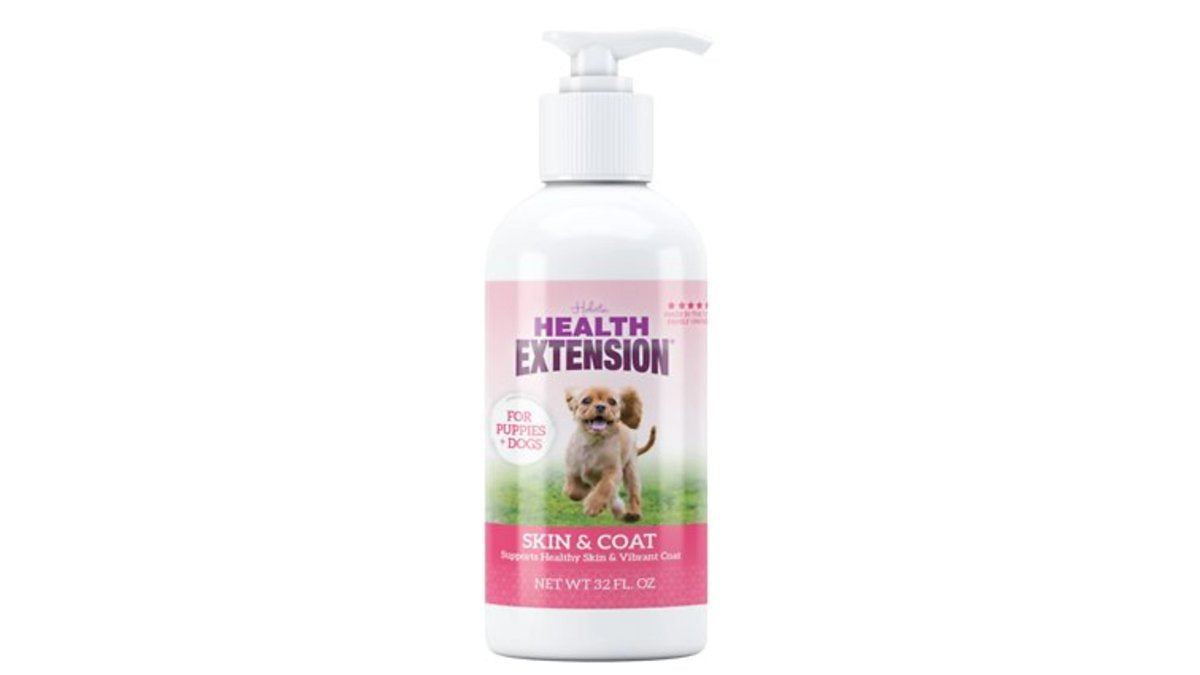
Table of Contents
- Liquid vs Powder Cat Supplements: A Quick Comparison
- What Liquid Supplements for Cats Do Well
- Powdered Supplements for Cats: Strengths and Trade-Offs
- How to Mix Supplements Into Cat Food Without the Standoff
- Cat Supplement Dosage and Safe Switching Between Formats
- Storage, Shelf Life, and What Happens After Opening
- Picking the Right Format for Your Cat
- Frequently Asked Questions
Last Updated: October 6, 2026
Liquid vs Powder Cat Supplements: A Quick Comparison
Choosing between liquid and powder cat supplements comes down to one question: which one will your cat actually take? Liquid vs Powder Cat Supplements both deliver vitamins, minerals, and other nutrients, but they behave very differently at mealtime.

The short version: liquid supplements for cats are easy to measure and simple to syringe or drizzle, making them a strong pick for cats who refuse anything sprinkled on food.
| Factor | Liquid | Powder |
|---|---|---|
| Ease of measuring | Precise with a pump or dropper | Needs a scoop, easy to under- or over-serve |
| Best with | Picky cats, cats on wet food only | Cats who clean their bowl every meal |
| Mixing | Drizzle or stir, can also be given directly | Must be stirred in thoroughly |
| Storage | Often needs refrigeration after opening | Usually stays dry and shelf-stable |
What Liquid Supplements for Cats Do Well
Liquid supplements for cats solve the hardest part of supplementation: getting the dose into the cat.
There is another practical advantage: cats who are recovering, off their food, or dealing with a sensitive stomach often tolerate a liquid more easily than something they have to chew.
One example from the Red Rock Pet Supplies lineup is Skin and Coat Vitamins, a liquid formula built around Omega 3 and 6 fatty acids. A pump or two over food daily is the whole routine.

Where Liquids Fall Short
Liquids are not automatically the better choice. Many need refrigeration once opened, which means finding fridge space and remembering to pull the bottle out at mealtime. Some have a smell or taste a fussy cat will reject outright.
Dosing accuracy also depends on the delivery method. A pump that clogs or a dropper that drips unevenly throws off the serving, so shake the bottle before each use and check that the pump dispenses a full measure.
Powdered Supplements for Cats: Strengths and Trade-Offs
Powdered supplements for cats are a flexible option for households that already feed wet food. You scoop, stir, and the job is done.
The catch is acceptance. Powder only works if it disappears into the food completely.
ASPCA Animal Poison Control guidance on household and pet product safety is worth a look if you are ever unsure whether an ingredient belongs in your cat's bowl.
When a Powder Is the Better Fit
Powder wins when your cat is a reliable eater. If a bowl of wet food vanishes in five minutes, a powder is the simplest way to add nutrients to the daily routine.
It also suits multi-cat households where one scoop covers a shared meal, and it travels better than a liquid that needs to stay cold.
The Joint Mobility formula from Red Rock Pet Supplies is a powder designed to be mixed into daily food or sprinkled on top.
Pro Tip
If your cat licks the food and walks away, the powder is probably too gritty or too strongly scented. Start with half the serving mixed into a teaspoon of wet food, then build up once your cat accepts the taste.
How to Mix Supplements Into Cat Food Without the Standoff
Mixing supplements into cat food is a matter of starting small and letting your cat set the pace. Rushing a full serving into a full bowl is the fastest way to teach a cat that dinner is suspicious.
A sequence that works for most cats:
- Serve a tiny portion of wet food with the full supplement mixed in.
- Let your cat finish that small portion before adding the rest of the meal.
- If your cat refuses, halve the amount and try again at the next meal.
- Warm the food slightly to boost the aroma, but never hot.
- Keep the mixing bowl and spoon consistent so the routine feels familiar.
For liquids, drizzle over the food rather than pouring it in one spot. If your cat eats around a puddle, the dose gets left behind.
Watch Out
Never mix a supplement into a full day's worth of food if your cat grazes. The dose may sit out for hours, and you have no way to know how much was actually eaten.
Cat Supplement Dosage and Safe Switching Between Formats
Cat supplement dosage should always follow the label on the product you bought, not a general rule from the internet. Serving sizes vary widely between formulas, and switching formats means switching measurements too.
Why a Pump and a Scoop Are Not Interchangeable
A liquid measured in pumps and a powder measured in scoops are not interchangeable by volume. The two formats can pack very different amounts of the same nutrient into a similar-sized serving, so if you move from one to the other, read the new label from scratch and start at the low end of the suggested serving.
A few measurement habits that prevent accidental over- or under-serving:
- Use the scoop, dropper, or pump that came with that specific product. A kitchen teaspoon is not the same as a supplement scoop.
- Level the scoop with the back of a knife rather than packing it. A heaped scoop can be a meaningfully larger serving.
- For liquids, hold the dropper or pump vertically and count the full pumps, not partial ones. If a pump clogs or drips unevenly, clean it before the next use.
- Write the serving size on a sticky note on the container so anyone in the house feeds the same amount.
Watch for Duplicate Ingredients When You Switch
Many cat supplements share overlapping ingredients. A joint powder and a skin-and-coat liquid may both include omega fatty acids, for example. If you switch formats but keep another supplement in the rotation, you can accidentally double up on the same nutrient.
Before switching, line up the ingredient panels side by side. If two products list the same nutrient, ask your veterinarian whether the combined amount still fits your cat's needs, especially for cats on more than one supplement or on prescription food that is already fortified.
A Gentle Transition Schedule
When switching, transition over several days rather than overnight:
- Days 1-2: one-quarter of the new format mixed with the old
- Days 3-4: half and half
- Days 5-6: three-quarters new
- Day 7 onward: full serving of the new format
If your cat is sensitive to change, stretch each step to three or four days instead of two. There is no prize for speed.
What to Watch During the Switch
Keep an eye on appetite, litter box habits, energy, and coat condition during the transition. A day or two of mild pickiness that settles once the new taste becomes familiar is common.
Some ingredients interact with medications, and a professional who knows your cat's history is the right person to weigh in. If your cat has a diagnosed condition, ask your vet before adding anything new, even something sold over the counter.
Watch Out
Never combine two supplements that share the same active ingredient without checking with your veterinarian first. Doubling up is one of the easiest mistakes to make when switching formats.
Storage, Shelf Life, and What Happens After Opening
Storage is the difference between a supplement that lasts its full shelf life and one that goes off in a month. Here is what actually changes once you break the seal.
Before You Open It
Unopened powders and liquids usually hold their quality for a generous window, often a year or more from the manufacture date, so check the date stamp rather than assuming. Store unopened containers in a cool, dry cupboard away from the stove, the dishwasher, and any damp, since heat and humidity shorten shelf life fastest.
After You Open It
This is where the two formats diverge sharply.
- Powders generally stay stable after opening as long as they are tightly sealed and kept dry. Moisture is the enemy. A scoop that goes into the container wet, or a container left open in a steamy kitchen, can cause clumping and spoilage.
- Liquids are the opposite. Many need refrigeration after the first use, and a few do not, so read the label rather than guessing. Once opened, expect a shorter window, sometimes measured in weeks. Some liquids also separate or settle, which is normal, but a change in smell or color is not.
A few habits that keep things fresh:
- Write the open date on the container with a marker
- Use the original container, not a decorative jar that lets in light
- Keep the scoop, dropper, or pump clean and dry between uses
- Check for changes in smell, color, or texture before each serving
Spoilage Cues to Take Seriously
If a product changes appearance, smells sour, or develops a texture that does not match day one, toss it. When in doubt, throw it out and start fresh.
Water Additives Are a Special Case
For water additives, storage matters in a different way. The product sits in your cat's water bowl, so fresh water daily keeps both the product and your cat's hydration on track. The Oral Care Water Additive is added to your cat's water bowl, one capful per 8 ounces, so refresh the bowl each day rather than topping it off.

Pro Tip
Snap a photo of the label and the open date on your phone the day you open a new supplement. It saves you from squinting at a faded marker six weeks later.
Picking the Right Format for Your Cat
Picking the right format comes down to three things: how your cat eats, how you want to spend your time, and what the supplement is for.
Choose a liquid if your cat is fussy, grazes, or needs a dose delivered reliably regardless of appetite.
Choose a powder if your cat finishes meals quickly and reliably. Powders cost less per serving, store easily, and disappear into wet food without fuss, making them a good option for cats who need long-term daily support.
For cats with specific health needs, match the format to the job. Urinary and bladder support often comes as a meal topper that doubles as a flavor boost, like the Dog & Cat Meal Topper, which is made to be mixed into food. Pest defense formulas, such as Bug Off Natural Defense Meal Topper, are also powders.

Key Takeaway
The best format is the one your cat will take every single day. A powder that gets refused is worth less than a liquid that disappears without a fight.
Every cat has an opinion about dinner, and it usually wins. Red Rock Pet Supplies carries both liquid and powder options, including skin and coat vitamins, joint mobility powder, and meal toppers for urinary and pest support, all shipped straight to your door with free shipping available.
Frequently Asked Questions
Are liquid or powder supplements easier to give cats?
It depends on your cat more than the format. Powders disappear into wet food and leave no taste clue, which suits cats who eat their whole bowl without sniffing around. Liquids work well when you can measure a small amount with a dropper or pump and either place it directly in the mouth or stir it into a strong-smelling meal. Cats who graze all day are usually easier to dose with a powder mixed into a small portion of wet food.
Can you mix powdered cat supplements into wet food?
Yes, and wet food is usually the easiest carrier because the moisture helps the powder dissolve evenly instead of sitting in dry clumps. Start with a small spoonful of wet food, stir the powder in completely, and offer it before the rest of the meal so you know the full serving was eaten. If your cat licks the food and walks away, try a different flavor or a smaller amount of food next time.
How do I work out the right cat supplement dosage?
Use the serving size printed on the label and measure with the scoop, dropper, or pump that came in the package rather than a kitchen spoon. Most labels base the serving on body weight, so weigh your cat if you have not done so recently. If your cat is on medication, pregnant, nursing, or managing a health condition, check with your veterinarian before starting or changing any supplement.
How do I switch my cat from one supplement format to another?
Move slowly over about a week. Give the usual serving of the old format alongside a small amount of the new one for the first few days, then shift the ratio until the new format is doing all the work. Watch for changes in appetite, litter box habits, or coat condition during the switch, and stop if anything seems off. A slow transition also gives you time to confirm your cat accepts the new taste.

