

Cart
0
Best Grooming Tools for Long-Haired Cats: 2026 Review
The best grooming tools for long-haired cats review starts with one important point: the right grooming tool depends on your cat's individual coat, tolerance for grooming, and the job you're trying to accomplish.
Long-haired cats can develop tangles and mats when loose hair remains trapped in the coat. Regular grooming also gives owners an opportunity to notice changes in the coat or skin.
You don't need a cabinet full of grooming equipment. A few well-chosen tools can handle most routine grooming needs.
Essential Grooming Tools for Long-Haired Cats
Different grooming tools perform different jobs.
Common options include:
- Slicker brushes
- Metal combs
- Pin brushes
- Grooming combs
- Undercoat tools
- Grooming gloves
- Pet-safe detangling products
The best combination depends on your cat's coat.
Some long-haired cats have extremely dense coats, while others have finer, silkier hair. Even cats of the same breed can have different grooming needs.
Slicker Brushes
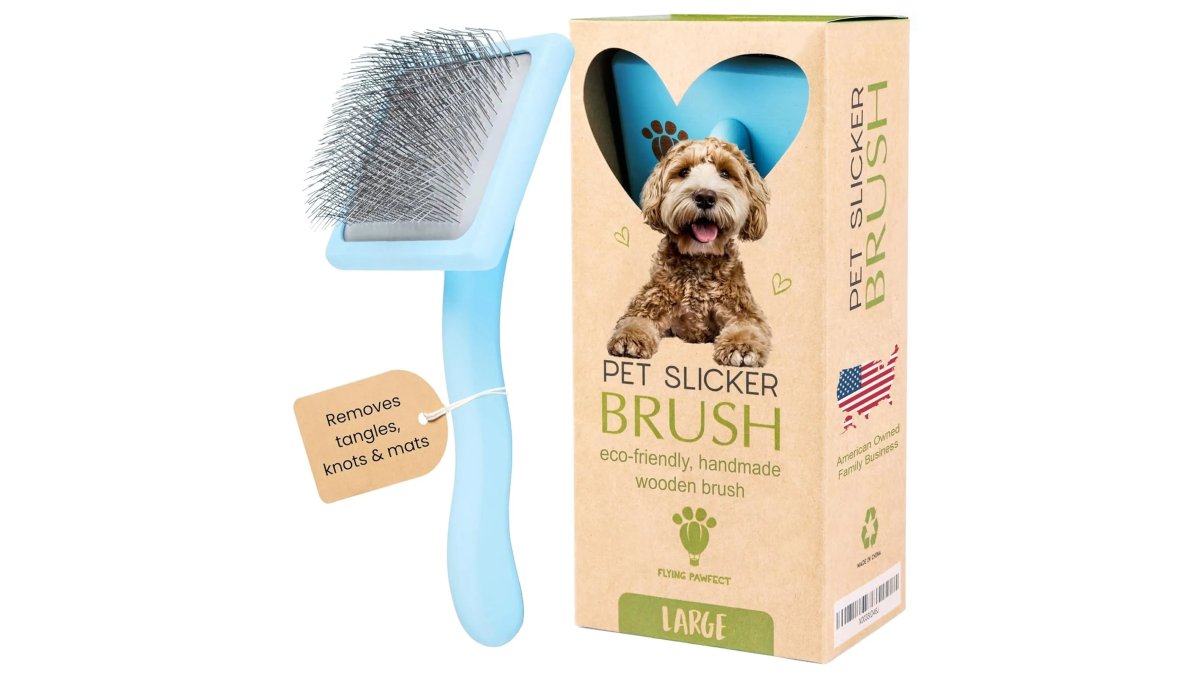
A slicker brush is one of the most common grooming tools for long-haired pets.
The closely spaced pins are designed to move through the coat and collect loose hair while helping work through minor tangles.
When using any slicker brush, use gentle pressure and pay attention to your cat's reaction. Repeated brushing over the same area or excessive pressure can make grooming uncomfortable.
The Flat Pet Slicker Brush available from Red Rock Pet Supplies is one option for owners building a grooming kit.

Before purchasing, check the current product page for dimensions, materials, intended use, and manufacturer directions.
Metal Combs
A metal grooming comb can complement a brush.
After gently brushing the coat, a comb can help identify areas where hair is still tangled.
Never force a comb through resistance.
If you encounter a tangle, stop and work carefully rather than pulling the comb through it. Cats have delicate skin, and pulling tangled hair can be uncomfortable.
Different tooth spacing is available, so choose a comb appropriate for your cat's coat.
Pin Brushes
Pin brushes are another option for routine coat maintenance.
Some cats prefer the feel of a pin brush to a slicker brush. This makes your cat's response an important part of choosing grooming equipment.
A tool isn't useful if your cat refuses to tolerate it.
Start gently and observe your cat's body language.
Undercoat and Deshedding Tools
Some long-haired cats have dense undercoats that collect loose hair.
Undercoat and deshedding tools are designed for specific coat types and should be used according to the manufacturer's instructions.
More aggressive isn't necessarily better.
If you're uncertain whether an undercoat tool is appropriate for your cat, ask a professional groomer or veterinarian for guidance.
Matching the Tool to Your Cat
There isn't one grooming tool that's automatically best for every long-haired cat.
Consider:
- Coat thickness
- Hair texture
- Areas that tangle frequently
- Your cat's sensitivity to brushing
- How much loose hair the coat retains
- The cat's grooming tolerance
You may discover that one tool works well along the back while another is easier to use around areas that require more delicate handling.
Introducing a New Grooming Tool
A new brush or comb can feel strange to a cat.
Rather than immediately attempting a complete grooming session, give your cat time to become familiar with the tool.
Keep early interactions calm and brief.
You can allow your cat to investigate the brush before gently trying it on an area where the cat normally enjoys being touched.
If your cat becomes agitated, stop and try again another time.
The objective is to build a routine your cat will tolerate rather than forcing a complete grooming session.
Grooming Doesn't Have to Be a Battle
Cats communicate discomfort through body language.
Watch for changes such as:
- Tail flicking
- Trying to move away
- Flattened ears
- Turning toward the brush repeatedly
- Growling or vocalizing
- Swatting
- Sudden skin twitching
These signals mean it's time to stop or change your approach.
Short, successful grooming experiences can be much more productive than forcing a cat through a long session.
Dealing With Small Tangles
Minor tangles may sometimes be worked through carefully during normal grooming.
Use your fingers to gently assess the area before bringing a brush or comb into it.
Don't yank or pull.
If the tangle doesn't loosen easily, stop rather than escalating to more aggressive tools or techniques.
Pet-safe grooming products intended for detangling may be useful when used according to their directions.
What About Mats?
A mat is different from a simple loose tangle.
Tight matting can sit close to the skin, making home removal difficult and potentially uncomfortable for the cat.
Avoid using household scissors to cut mats from your cat.
Skin can be difficult to distinguish from hair inside a tight mat, creating a risk of accidental injury.
If matting is extensive, tight against the skin, or your cat appears uncomfortable, contact a professional groomer or veterinarian.
That's safer than turning grooming into a do-it-yourself cutting procedure.
Grooming Equipment for More Involved Coat Care
Some owners use powered grooming equipment or combination grooming devices as part of their pet-care setup.
Red Rock Pet Supplies carries different grooming products, including the 2 In 1 Multifunctional Pet grooming product.

Because grooming devices differ substantially in their functions, check the current product page and manufacturer instructions before use.
Make sure any device is appropriate for cats and for the particular grooming task you intend to perform.
How Often Should You Groom a Long-Haired Cat?
There isn't one schedule that fits every long-haired cat.
Instead of following an arbitrary number of grooming sessions per week, monitor the coat.
A cat that develops tangles quickly may require more frequent attention than a cat whose coat stays relatively tangle-free.
Seasonal shedding, age, activity, health, and the cat's own grooming habits can also affect how much help is needed.
Consistency is usually more practical than waiting until the coat becomes difficult to manage.
Pay Attention to Changes in Grooming Habits
Cats normally spend considerable time maintaining their own coats.
A noticeable change in self-grooming can be worth paying attention to.
If your cat suddenly stops grooming, develops unexpected matting, has changes in the skin or coat, or appears uncomfortable when touched, contact your veterinarian.
Those changes can have different causes and shouldn't be diagnosed solely from the condition of the coat.
Grooming Senior Cats
Senior cats may need adjustments to their grooming routine.
Some continue to maintain their coats very well, while others may have difficulty reaching certain areas.
Be especially gentle and allow the cat to set the pace.
If a senior cat suddenly becomes reluctant to be brushed or touched, don't assume it's simply age. Discuss significant behavioral or grooming changes with your veterinarian.
Grooming Kittens
Introducing grooming gradually while a cat is young can help make brushes and combs familiar parts of normal handling.
Keep sessions positive and gentle.
There is no need to force a kitten through a lengthy grooming routine.
The objective is simply to build familiarity while providing whatever coat maintenance the individual kitten actually needs.
Waterless Grooming Products
Sometimes coat care involves more than brushing.
Pet-safe waterless grooming products can provide another option for certain routine grooming situations when used according to the manufacturer's directions.
Red Rock Pet Supplies carries Smart Formula Botanical Waterless Cleanser among its grooming products.

Always confirm that a grooming product is intended for cats before using it.
Follow the label instructions and avoid assuming that a product designed for dogs is automatically appropriate for cats.
Choosing Grooming Products Online
When comparing grooming products, look beyond promotional language.
Check:
- Intended animal
- Tool dimensions
- Materials
- Brush or comb design
- Manufacturer directions
- Cleaning instructions
- Current product specifications
- Your cat's coat and grooming tolerance
Reviews can be useful for understanding how other owners use a product, but another cat's experience doesn't guarantee the same result for yours.
Keep Grooming Tools Clean
Hair builds up in brushes and combs during normal use.
Remove accumulated hair and follow the manufacturer's cleaning directions for each grooming tool.
Different materials may require different care, so avoid assuming that every brush, comb, or powered grooming device can be cleaned the same way.
Keeping tools in good condition also makes them easier to inspect before use.
When Professional Grooming Makes Sense
There are situations where professional help is the better choice.
Consider contacting a qualified groomer or veterinarian when:
- Matting is extensive
- Mats are tight against the skin
- The cat becomes extremely distressed during grooming
- Skin underneath the coat looks irritated or injured
- You aren't confident that you can remove a problem safely
- Your cat has medical or mobility issues affecting grooming
Knowing when to stop is part of responsible grooming.
Building a Simple Grooming Kit
You don't necessarily need every grooming product available.
A basic setup might include:
- A brush suited to your cat's coat
- A grooming comb
- An appropriate grooming product when needed
- A towel
- Any additional equipment recommended for your cat's particular coat
Start simple.
As you learn which areas of your cat's coat require the most attention, you can add tools when they serve a genuine purpose.
Choosing the Best Tools for Your Cat
A useful best grooming tools for long-haired cats review shouldn't declare one brush the winner for every cat.
The better approach is matching the tool to the individual animal.
A slicker brush may be excellent for one cat. Another may tolerate a pin brush better. A comb may be invaluable for checking the coat, while a specialized tool might only be needed occasionally.
Your cat's comfort and the condition of the coat should guide the decision.
Final Thoughts
Long-haired cats can require more coat maintenance, but grooming doesn't need to become complicated.
Choose appropriate tools, use them gently, inspect the coat regularly, and stop when your cat shows signs of discomfort.
Red Rock Pet Supplies offers grooming tools and coat-care products that can help owners build a grooming routine suited to their individual pets.
Compare the current product specifications, follow manufacturer directions, and choose products based on what your cat actually needs.
Frequently Asked Questions
What is the best grooming tool for long-haired cats?
A slicker brush with long stainless steel pins is the most versatile starting point for long-haired cats. It removes loose fur, detangles, and reaches through dense undercoats without scratching skin. Pair it with a metal greyhound comb for finishing and checking for missed tangles. For mats, use the slicker first, then follow with a wide-tooth comb. The Flat Pet Slicker Brush from Red Rock Pet Supplies is effective on thick coats.
How often should you brush a long-haired cat?
Daily brushing is ideal for long-haired cats, especially during spring and fall shedding seasons. If daily isn't possible, aim for at least 3 to 4 sessions per week. A consistent best cat grooming schedule prevents mats from forming and reduces hairballs. Short sessions of 5 to 10 minutes work better than one long session. Focus on the belly, armpits, and hindquarters where tangles form most often.
How do you remove stubborn mats from a cat's fur?
Start by separating the mat with your fingers, then use a slicker brush to work at the edges, not the center. Never pull directly on the mat, as this causes pain and can tear skin. For tight mats, apply a small amount of pet-safe detangling spray or waterless cleanser, wait a minute, then gently comb from the outside in. If a mat is tight against the skin or covers a large area, consult a professional groomer or veterinarian rather than cutting it out yourself.
Do professional cat groomers use slicker brushes or combs?
Professional groomers typically use both. A slicker brush handles the bulk of loose fur and surface tangles, while a metal greyhound comb checks for missed mats and smooths the topcoat. Many also keep a deshedding tool for undercoat removal and a bristle brush for finishing. The key is matching the tool to the coat texture, not using one brush for every cat. Ergonomic handles also matter for groomers who work with multiple cats per day.
Can I use dog grooming tools on my long-haired cat?
Many grooming tools work for both cats and dogs, but cat skin is thinner and more sensitive. Choose tools with soft, rounded pins and avoid aggressive deshedding blades that can scratch skin. A slicker brush designed for cats or dual-use works well. Always test a new tool on a small area first. If your cat shows signs of discomfort, stop and try a gentler option like a silicone bath brush or a soft bristle brush.

